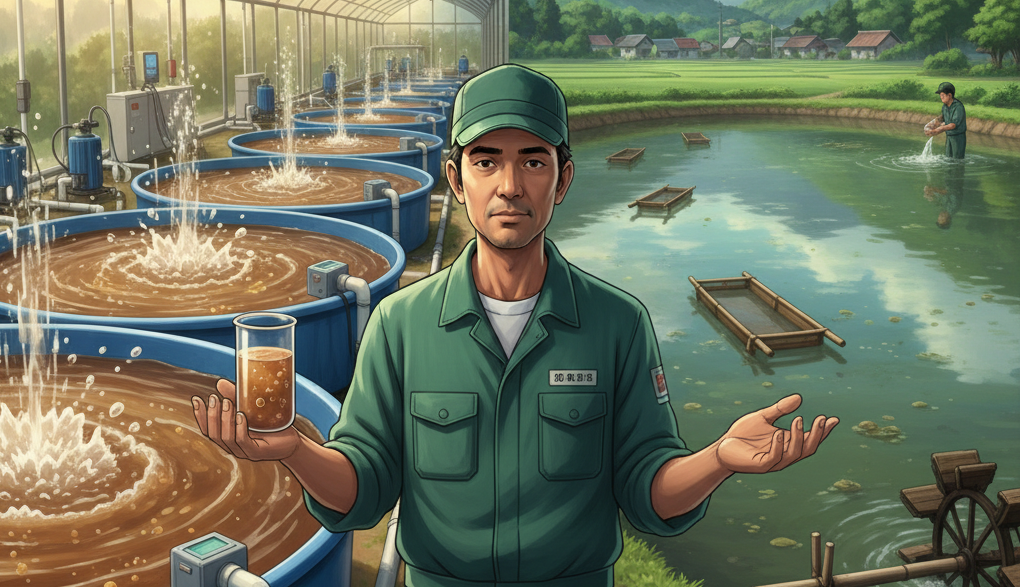
Did you know that India is the second-largest aquaculture producer in the world, yet the domestic demand for fish is growing so rapidly that supply is struggling to keep pace? For an aspiring agri-preneur, the Challenge is no longer just about finding a profitable venture; it is about choosing one with a massive, untapped market. The Pain Point for many traditional farmers in India is the stagnation of land-based crops, where pests, weather, and soil depletion make every season a high-stakes gamble. Many look at their unused or low-lying waterlogged land as a liability, unaware that it is actually a potential “liquid gold mine.”
The ultimate solution is the Fish Farming Business, or Aquaculture. By converting even a small piece of land into a scientifically managed fish pond, you can generate a profit-per-acre that far exceeds almost any cereal crop. This guide serves as your comprehensive blueprint for starting a fish farming enterprise in India in 2026. You will learn the core fundamentals of pond management, a detailed breakdown of setup costs, and a strategic plan to maximize your profit margins while leveraging government support.
Understanding Fish Farming: Key Concepts and Importance
Fish farming is the commercial breeding of fish in tanks or enclosures (typically ponds) for the purpose of food production. Historically, India relied on “capture fisheries”—simply catching fish from rivers and oceans. However, modern relevance has shifted toward “culture fisheries” because it allows for total control over the growth rate, health, and quality of the fish. In India, the sector is dominated by Freshwater Aquaculture, focusing on species like Indian Major Carps (Rohu, Catla, Mrigal) and exotic varieties like Tilapia and Catfish.
Think of a fish pond like an underwater livestock farm. Just as a dairy farmer manages a pasture to feed cows, a fish farmer manages the “water quality” and “plankton” to feed the fish.
Shutterstock
Technically, the water is a living environment. You aren’t just raising fish; you are managing a delicate balance of Dissolved Oxygen (DO), pH levels, and ammonia. If the water is healthy, the fish grow exponentially; if the water is neglected, the entire “crop” can fail in hours. This is why modern fish farming relies heavily on Aeration and Water Testing, ensuring that the “underwater pasture” is always at peak productivity.
Why It Matters: The Top Benefits of Aquaculture in India
Starting a fish farm is a strategic investment in one of India’s fastest-growing food sectors. Here is why it matters:
- Exceptional Feed Conversion Ratio (FCR): Fish are “cold-blooded,” meaning they don’t burn energy to stay warm. This makes them much more efficient than poultry or cattle at converting feed into meat. For every 1.5kg of feed, you can often get 1kg of fish.
- High Market Demand: With a growing middle class and increasing health awareness, the demand for high-protein, lean meat like fish is at an all-time high. Fish are sold not just in local “Mandis” but are now in high demand for export and frozen food processing.
- Utilization of Marginal Land: Land that is too salty or too wet for crops like wheat or cotton is often perfect for fish ponds. This allows farmers to turn “waste” land into their most productive asset.
- Integrated Income Potential: Fish farming pairs perfectly with other farm activities. You can use the nutrient-rich pond water to irrigate crops or use poultry droppings to fertilize the pond, creating a Zero-Waste integrated model.
Pro Fact: According to the National Fisheries Development Board (NFDB), the fisheries sector contributes about 1.1% to India’s total GDP and provides a livelihood for over 14 million people.
How to Get Started: A Practical Guide for Beginners
Launching a fish farm requires careful engineering and biological planning. Follow this 5-step actionable plan:
Step 1: Site Selection and Pond Construction
Select an area with good water retention (clay-rich soil is best). Dig a pond at least 4 to 6 feet deep. Ensure the pond has a “slope” so it can be drained completely for harvesting. For beginners, a 1-acre pond is the ideal size to learn the mechanics of the business.
Step 2: Water Preparation and Liming
Before adding fish, treat the pond. Apply Lime (Chuna) to maintain the pH balance (ideally between 7.5 and 8.5) and kill harmful bacteria. Fertilize the water with organic manure to encourage the growth of Phytoplankton, which is natural, free food for your fish.
Step 3: Seed Selection and Stocking
Do not buy “cheap” seeds from unknown sources. Purchase High-Quality Fingerlings from a certified government or private hatchery. For a 1-acre pond, a common stocking density is 3,000 to 5,000 fingerlings, depending on the species and aeration level.
Step 4: Feeding and Aeration
Fish need protein-rich floating pellets for commercial growth. Feed them twice a day—once in the early morning and once in the evening. If you are stocking at high densities, use an Aspirator or Paddle-wheel Aerator to keep oxygen levels high, especially during the hot summer months.
Step 5: Harvesting and Marketing
Most species reach a marketable weight (1kg to 1.5kg) in 8 to 10 months. Use a “Drag Net” for harvesting. To get the best price, time your harvest during festivals or seasons when the supply of sea fish is low (such as during the monsoon fishing ban).
Beginner’s Tip: Avoid “Overstocking.” A common mistake is putting too many fish in a small pond thinking it will lead to more profit. In reality, too many fish lead to low oxygen and stunted growth. It is better to have 3,000 healthy, large fish than 6,000 small, sickly ones.
Overcoming Challenges and Looking into the Future
The primary hurdle in fish farming is Disease Management. Because the fish are underwater, you cannot see a problem until it is often too late. The solution is Preventative Care—regularly testing the water and avoiding overfeeding, which rots at the bottom and produces toxic gases. Another challenge is the Cost of Feed, which can account for 60% of total expenses. Many farmers solve this by making their own “Farm-Made Feed” using local rice bran and oil cakes.
Looking into the future, Biofloc Technology (BFT) and Recirculating Aquaculture Systems (RAS) are the next big trends. These systems allow you to grow thousands of fish in small tanks with very little water exchange, making fish farming possible even in urban areas. Furthermore, the Pradhan Mantri Matsya Sampada Yojana (PMMSY) is providing massive subsidies (up to 40–60%) for pond construction, aerators, and even refrigerated vans to help farmers succeed.
Conclusion
The fish farming business in India is no longer just a traditional occupation; it is a high-tech, high-profit industry. By combining scientific pond management with a clear understanding of market demand, you can build a self-sustaining business that thrives for decades. Whether you are a smallholder or a large-scale investor, the water is ready for your success.
Call to Action: This week, visit your local District Fisheries Office. Ask for a soil and water test for your land and inquire about the latest PMMSY subsidies. Your journey to becoming a successful aquaculture entrepreneur starts with that first test.
The future of protein is in the water. Start your fish farm today and grow your way to financial freedom.
Frequently Asked Questions (FAQs)
1. What is the total cost to start a 1-acre fish farm in India? The initial setup (digging, fencing, and equipment) typically costs between ₹3 Lakh to ₹5 Lakh. Operating costs (seeds, feed, and labor) for the first year are around ₹2 Lakh to ₹3 Lakh. Remember, much of this can be offset by government subsidies.
2. How much profit can I expect per year? From a well-managed 1-acre pond, you can produce 3 to 4 tons of fish. At a market price of ₹120–₹150 per kg, you can earn a gross revenue of ₹4 Lakh to ₹6 Lakh. After expenses, a net profit of ₹2 Lakh to ₹3 Lakh per year is very realistic.
3. Which fish species is best for a beginner in India? Pangas (Catfish) and Tilapia are great for beginners because they are very hardy and grow fast. However, for the highest market demand and price, the IMC (Indian Major Carps) like Rohu and Catla remain the kings of the Indian market.
4. How do I prevent my fish from dying during the summer? Summer heat reduces the “Dissolved Oxygen” in the water. You must use an Aerator during the night and early morning hours. Also, keep the water level at least 5 feet deep to ensure the bottom remains cool for the fish to rest.