Introduction
Water is the backbone of agriculture, yet it is becoming one of the most limited natural resources worldwide. Traditional farming methods often waste large amounts of water due to inefficient irrigation systems, evaporation, and poor soil management. As climate change and population growth increase pressure on food production, farmers must adopt smarter methods to conserve water while maintaining high crop yields.
Water saving farming, also known as water-efficient agriculture, focuses on using innovative techniques and modern technology to reduce water consumption without compromising productivity. This approach not only protects natural resources but also improves farm profitability and long-term sustainability.
Why Water Conservation in Farming Matters
Agriculture consumes nearly 70% of global freshwater resources. In many regions, groundwater levels are declining rapidly due to excessive irrigation. Water scarcity directly affects crop growth, farmer income, and food security.
Key reasons water saving farming is essential:
- Reduces water wastage
- Lowers irrigation costs
- Protects groundwater reserves
- Improves soil health
- Supports climate-resilient agriculture
- Ensures long-term farming sustainability
Farmers who adopt water-efficient practices often notice better crop quality and reduced operational expenses.
Major Causes of Water Waste in Traditional Farming
Before implementing solutions, it is important to understand where water loss occurs.
1. Flood Irrigation
Many farms still use flood irrigation, where water is spread across the entire field. This method causes excessive evaporation and runoff.
2. Poor Soil Structure
Compacted or degraded soil cannot retain moisture effectively, causing water to drain quickly.
3. Over-Irrigation
Farmers sometimes apply more water than crops actually need, leading to nutrient loss and root damage.
4. Lack of Monitoring
Without proper moisture monitoring, irrigation decisions are often based on guesswork rather than data.
Best Water Saving Farming Techniques
1. Drip Irrigation System
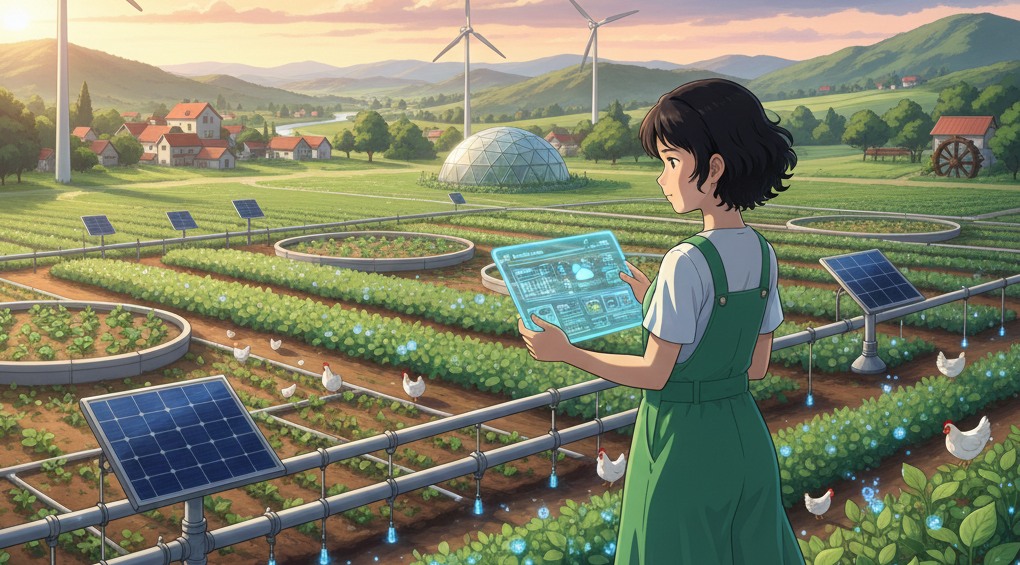
Drip irrigation delivers water directly to plant roots through pipes and emitters. This method minimizes evaporation and ensures efficient water usage.
Benefits:
- Saves up to 60% water
- Reduces weed growth
- Improves fertilizer efficiency
- Increases crop yield
This system is especially effective for vegetables, fruits, and horticulture crops.
2. Sprinkler Irrigation
Sprinkler systems distribute water evenly like rainfall. They are suitable for uneven land and large crop areas.
Advantages include:
- Controlled water application
- Reduced soil erosion
- Uniform crop growth
Modern sprinklers with timers further optimize water usage.
3. Mulching
Mulching involves covering soil with organic or plastic materials to reduce evaporation.
Common mulching materials:
- Straw
- Dry leaves
- Crop residues
- Plastic sheets
Mulching can reduce water loss by up to 30% while improving soil fertility.
4. Rainwater Harvesting
Collecting rainwater allows farmers to store water for dry seasons. Farm ponds and storage tanks help capture rainfall that would otherwise be wasted.
Benefits:
- Reduces dependence on groundwater
- Provides emergency irrigation supply
- Supports sustainable water management
5. Soil Moisture Monitoring
Modern farms use soil moisture sensors to measure water levels in the soil. Farmers irrigate only when necessary.
This technology helps:
- Prevent overwatering
- Save electricity and pumping costs
- Improve plant health
Role of Technology in Water Saving Agriculture
Smart agriculture technologies are transforming water management.
Precision Farming
GPS and data-driven tools help farmers apply water only where needed.
Automated Irrigation
Timers and sensors automate irrigation schedules, reducing human error.
Weather Forecast Integration
Farmers can plan irrigation based on rainfall predictions and temperature data.
These innovations make farming more efficient and environmentally friendly.
Crop Selection for Water Efficiency
Choosing crops suited to local climate conditions significantly reduces water demand.
Examples of water-efficient crops:
- Millets
- Pulses
- Oilseeds
- Drought-resistant vegetables
Crop rotation also improves soil moisture retention and reduces irrigation needs.
Economic Benefits for Farmers
Water saving farming is not just environmentally beneficial—it is financially smart.
Farmers experience:
- Lower electricity bills
- Reduced fertilizer waste
- Higher yield per drop of water
- Better crop quality
- Increased long-term profits
Government subsidies in many regions also support adoption of efficient irrigation systems.
Environmental Impact
Efficient water usage helps maintain ecological balance.
Positive environmental effects include:
- Reduced groundwater depletion
- Prevention of soil salinity
- Lower carbon footprint
- Improved biodiversity
Sustainable agriculture ensures future generations can continue farming successfully.
Challenges in Adoption
Despite benefits, some farmers hesitate due to:
- Initial installation cost
- Lack of awareness
- Technical knowledge gaps
However, training programs and government support schemes are making adoption easier.
Future of Water Saving Farming
The future of agriculture lies in combining traditional knowledge with modern innovation. As water scarcity increases, efficient irrigation and smart farming will become essential rather than optional.
Artificial intelligence, automation, and climate-smart agriculture will further enhance water conservation in farming systems.
Conclusion
Water saving farming is a powerful solution to modern agricultural challenges. By adopting drip irrigation, mulching, rainwater harvesting, and smart monitoring systems, farmers can significantly reduce water usage while increasing productivity.
Sustainable water management not only secures farmer income but also protects the environment and ensures global food security. The shift toward water-efficient agriculture is not just a trend—it is the future of farming.