➡️ INTRODUCTION
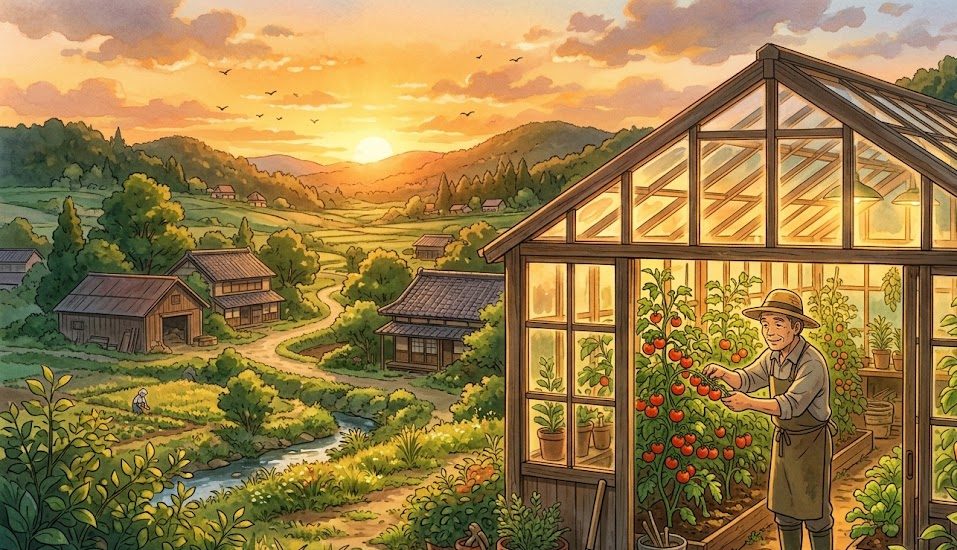
→ Exotic vegetable farming is becoming more profitable with the use of greenhouse technology. Many exotic vegetables require controlled conditions for proper growth, which is difficult in open fields. Greenhouse farming provides a protected environment where temperature, humidity, and light can be managed easily. This allows farmers to grow high-quality vegetables throughout the year. Crops like lettuce, cherry tomatoes, capsicum, and zucchini perform exceptionally well under greenhouse conditions. With increasing demand in urban and export markets, greenhouse farming has become a smart choice for farmers who want to increase productivity and profits.
➡️ Key Points / Benefits
→ Enables year-round cultivation
→ Protects crops from extreme weather
→ Improves crop quality and yield
→ Reduces pest and disease risk
→ Supports high-value exotic crops
→ Increases overall farm profitability
🔵 1️⃣ → What is Greenhouse Farming?
Greenhouse farming is a method where crops are grown in a controlled environment using structures covered with plastic or glass.
Main features:
- Controlled temperature and humidity
- Protection from rain and wind
- Better light management
Benefits:
- Stable crop growth
- Reduced crop damage
- Higher production
Greenhouses help farmers create ideal conditions for exotic vegetables.
🔵 2️⃣ → Suitable Exotic Crops for Greenhouse
Not all crops need greenhouse, but exotic vegetables perform very well in it.
Best crops:
- Cherry tomatoes
- Colored capsicum
- Lettuce
- Zucchini
Why these crops:
- High market demand
- Sensitive to climate
- Require controlled conditions
Choosing the right crop increases success rate.
🔵 3️⃣ → Temperature and Climate Control
Maintaining the right environment is key to greenhouse farming.
Control methods:
- Ventilation systems
- Shade nets
- Cooling and heating systems
Benefits:
- Prevents crop stress
- Improves plant health
- Ensures uniform growth
Proper climate control leads to better yield and quality.
🔵 4️⃣ → Irrigation and Nutrient Management
Efficient water and nutrient supply is essential inside a greenhouse.
Best practices:
- Drip irrigation
- Fertigation (fertilizer + water)
- Regular monitoring
Advantages:
- Saves water
- Provides balanced nutrition
- Enhances growth
Smart irrigation improves crop performance.
🔵 5️⃣ → Pest and Disease Control
Greenhouses reduce pest problems but proper management is still needed.
Control methods:
- Use of insect nets
- Regular crop inspection
- Organic pest control
Benefits:
- Lower chemical usage
- Healthier crops
- Better quality produce
Preventive care is important for greenhouse farming.
🔵 6️⃣ → Profit and Market Opportunities
Greenhouse-grown exotic vegetables have high demand and better prices.
Selling options:
- Supermarkets
- Restaurants
- Export markets
Financial benefits:
- Premium pricing
- Consistent income
- Higher profit margins
Greenhouse farming is a strong business opportunity.
➡️ CONCLUSION
→ Greenhouse farming is transforming exotic vegetable cultivation by providing a controlled and efficient environment. It helps farmers produce high-quality crops throughout the year while reducing risks from weather and pests. Although it requires initial investment, the long-term benefits in terms of yield and profit are significant. Farmers who adopt greenhouse techniques can tap into premium markets and achieve financial success. In modern agriculture, greenhouse farming is a powerful tool for sustainable and profitable farming.