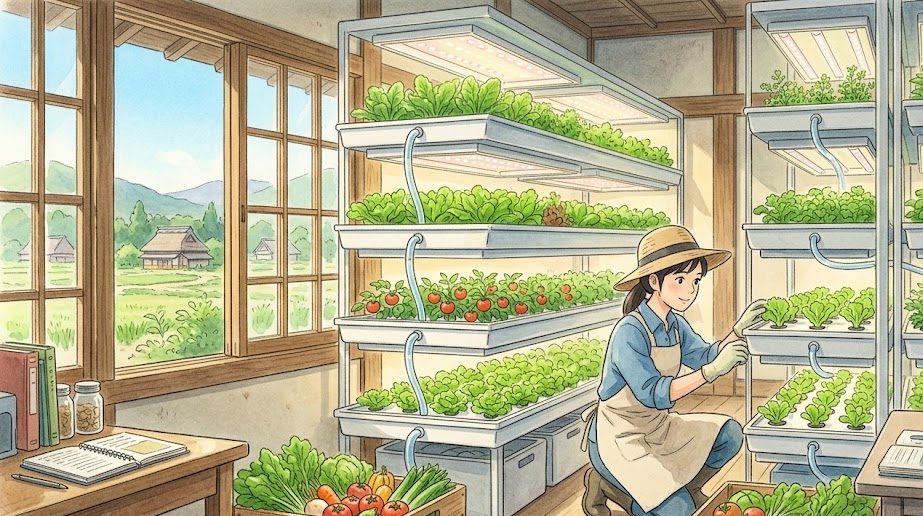
In modern agriculture, relying on a single crop can be risky. When weather patterns fluctuate or market prices crash, a mono-cropping farmer is left vulnerable. This is where Integrated Farming System (IFS) comes into play. It is not just a method of farming; it is a holistic approach to creating a self-sustaining ecosystem on your land.
What is Integrated Farming?
Integrated Farming System (IFS) is a resource-management strategy that links different agricultural enterprises—such as crops, livestock, poultry, fisheries, and apiculture—in a way that the waste of one component becomes the input for another.
For example, crop residues can be used as feed for livestock, and animal waste can be used as organic fertilizer for the crops. This circular economy reduces external costs and maximizes output.
The Core Pillars of an Integrated Farm
To build a successful IFS model, you need to understand how different components interact:
1. Crop Production
The core of the farm. Whether it’s cereals, vegetables, or pulses, the farm grows crops not just for sale, but to provide fodder for the livestock.
2. Livestock & Poultry
Cows, buffaloes, goats, or chickens add value by producing milk, eggs, and meat. Their waste (manure) is high in nitrogen and phosphorus, which acts as a powerful, cost-free organic fertilizer for your fields.
3. Fisheries
If you have space for a pond, integrated fish farming is highly profitable. Fish thrive on the waste from poultry or livestock, and the nutrient-rich pond water (when drained) serves as a liquid fertilizer for your vegetable crops.
4. Apiculture (Beekeeping)
Bees are the silent partners of a farmer. By placing beehives on your farm, you increase the pollination rates of your crops, which directly boosts yield. Plus, honey and wax provide an additional, steady income stream.
Why Integrated Farming is the Best Business Model for Small Farmers
If you are a beginner or looking to optimize your small piece of land, IFS is the gold standard for several reasons:
- Risk Mitigation: If one part of the farm fails (e.g., a poor harvest), other components like dairy or poultry continue to provide daily income.
- Cost Reduction: By generating your own manure and fodder, you stop relying on expensive chemical fertilizers and market-bought feed.
- Higher Resource Efficiency: You are effectively using every square meter of your land and every bit of biological waste.
- Year-round Income: Unlike seasonal farming, where income only comes at harvest time, integrated farms provide a daily or weekly cash flow through milk, eggs, and vegetables.
How to Get Started with IFS
You don’t need to implement everything at once. Start by integrating two systems:
- Phase 1 (The Foundation): Start with crop production and composting. Master the art of converting crop waste into organic manure.
- Phase 2 (Integration): Introduce livestock. Use the manure to boost crop yield and use crop residues to feed the livestock.
- Phase 3 (Expansion): Once you have a stable cycle, add a fish pond or beekeeping units to fully utilize your farm’s ecosystem.
Sustainability: The Future of Profitable Farming
The modern consumer is becoming increasingly conscious of where their food comes from. Products labeled as “organically grown in an integrated farm” often command a higher price in the market. By adopting IFS, you are not only securing your profit margins but also building a brand that stands for quality, sustainability, and health.
Final Thoughts
Integrated Farming is about shifting your mindset from “farming for a harvest” to “managing a living ecosystem.” As a beginner, the initial setup might require careful planning, but the long-term rewards—both in profit and soil health—are unmatched.
Are you ready to transform your farm into a self-sustaining business? Which two components would you like to integrate first? Let us know in the comments below!
SEO & WordPress Setup Guide:
- Focus Keyword: Integrated Farming System
- Meta Description: Learn how to implement an Integrated Farming System (IFS) to maximize farm profits. Discover how crops, livestock, and fisheries work together to reduce costs and increase sustainability.
- Categories: Sustainable Farming / Agriculture Business
- Tags: Integrated Farming, Organic Agriculture, Small Farm Management, Profitable Farming, Sustainable Agriculture.
- Internal Linking Tip: If you have already posted the previous article on “Water-Saving Farming,” make sure to link it in the “Crop Production” or “Sustainability” section to keep your readers on your site longer.