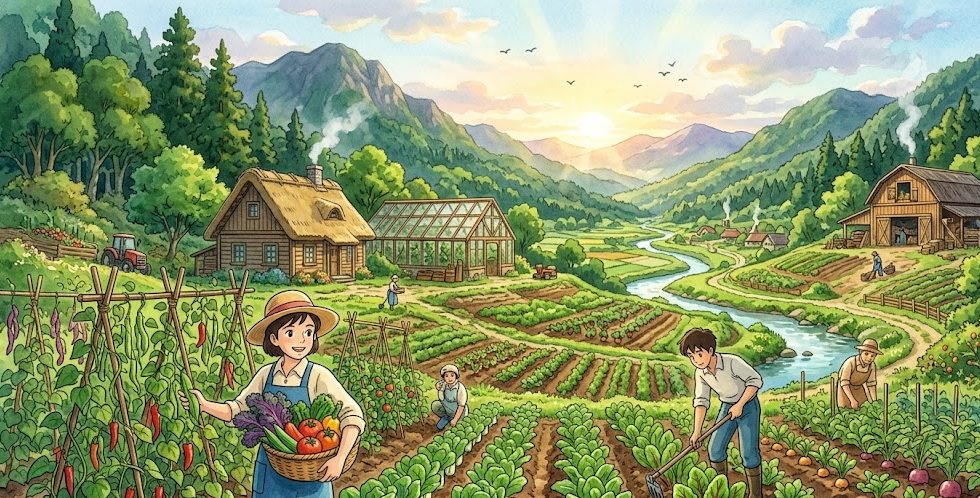
Think about the last time you walked through a high-end supermarket, visited a trendy farm-to-table restaurant, or scrolled through food videos online. Chances are, you saw colorful, unique produce that looked nothing like the standard potatoes, cabbages, or tomatoes your local stores usually carry.
From deep purple kale and bright yellow zucchini to crisp bok choy and delicate cherry tomatoes, exotic vegetable farming is exploding in popularity.
For farmers and ambitious home gardeners, growing these niche crops is one of the most profitable decisions you can make. Standard crops often suffer from flooded markets, which drives wholesale prices down. Exotic vegetables, however, command premium prices. Because the demand from health-conscious consumers, boutique hotels, and culinary enthusiasts outpaces the local supply, commercial cultivation of these high-value vegetables offers an incredible return on investment.
If you are looking to diversify your fields and boost your income, this comprehensive beginner’s guide to exotic vegetable cultivation will help you get started on the right foot.
1. Top Exotic Vegetables with High Market Demand
Before planting a single seed, you need to understand what the market wants. Exotic vegetables generally fall into categories like gourmet greens, unique colorful varieties of everyday vegetables, or culturally specific ingredients.
Gourmet Asian Greens
Vegetables like Bok Choy, Pak Choy, and Tatsoi are highly sought after for their crisp texture and nutritional profile. They have incredibly short growing cycles—often ready for harvest in just 30 to 45 days—allowing for multiple crop rotations within a single year.
European and Colored Varieties
- Zucchini (Yellow and Green): While green zucchini is common, brilliant yellow zucchini attracts a premium price for its visual appeal on restaurant plates.
- Cherry Tomatoes (Heirloom & Multi-Colored): Tiny, sweet, and bursting with color (chocolate brown, deep purple, bright orange), these are a favorite for salads and gourmet packaging.
- Broccoli Rabbe and Asparagus: These high-value crops require a bit more patience but reward growers with excellent profit margins at local farmer’s markets.
2. Essential Factors for Commercial Cultivation Success
Commercial cultivation of exotic crops requires a step up from traditional farming techniques. Because these plants are often native to different climates, creating the right environment is key.
Controlled Environment Agriculture (CEA)
Many exotic vegetables are highly sensitive to extreme weather, heavy rains, or intense summer heat. Utilizing poly-houses, net houses, or basic greenhouses gives you control over temperature, humidity, and pests. A simple shade-net house can reduce heat stress drastically, ensuring high-quality, blemish-free produce that commands top dollar.
Soil and Nutrition Management
Exotic crops are heavy feeders that require impeccable soil health.
- Aim for a well-draining, sandy loam soil rich in organic matter.
- Conduct a soil test to check the pH level—most exotic vegetables thrive in a slightly acidic to neutral pH range of 6.0 to 7.0.
- Use drip irrigation combined with fertigation (delivering water-soluble nutrients directly through the drip lines) to feed the plants efficiently without wasting resources.
3. Developing a Smart Marketing and Sales Strategy
You can grow the most beautiful purple cauliflower in the world, but if nobody in your local town knows what it is, your harvest will go to waste. Successful exotic farming relies heavily on pre-market planning.
[ Research Local Chefs/Markets ] ---> [ Secure Advance Orders ] ---> [ Plant & Cultivate ]
Partnering with B2B Buyers
Before you sow your seeds, visit local high-end restaurants, boutique hotels, and salad bars. Bring samples if you have them, or show them your planting schedule. Professional chefs are always looking for fresh, locally grown, hyper-local exotic ingredients and are often willing to pay a premium for guaranteed weekly deliveries.
Direct-to-Consumer Niche Markets
Target organic food stores, high-end supermarkets, and upscale weekend farmer’s markets. Package your vegetables cleanly, perhaps mixing different colored cherry tomatoes or salad greens into a single “gourmet mix” box. Visual presentation is everything when selling premium produce.
4. Practical Tips for Beginner Exotic Farmers
- Start with Trial Plots: Do not convert your entire farm to a new crop overnight. Dedicate a small greenhouse or a few rows to test how a specific exotic vegetable handles your local climate and water quality.
- Prioritize Seed Quality: Buy high-quality, certified hybrid or heirloom seeds from reputable distributors. The success of your exotic farm depends heavily on the genetic quality, disease resistance, and germination rate of your seeds.
- Focus on Post-Harvest Care: Exotic vegetables are delicate. Invest in proper washing, sorting, and cold-storage facilities. Keeping greens or zucchini cool immediately after harvest doubles their shelf life and keeps them looking pristine for buyers.
Conclusion
Exotic vegetable farming bridges the gap between agricultural passion and high-profit commercial business. While it demands a closer attention to climate control, soil nutrition, and targeted marketing than growing traditional staples, the financial rewards make the learning curve entirely worth it. By selecting the right crops for your region and securing your buyers early, you can turn a small piece of land into a highly lucrative, modern agricultural business.
Frequently Asked Questions (FAQs)
1. Are exotic vegetables harder to grow than normal vegetables?
They can be slightly more sensitive to weather changes and local pests because they aren’t native to your specific region. However, by using basic protective structures like net houses or poly-houses and keeping a close eye on soil nutrition, beginners can grow them very successfully.
2. Which exotic vegetable is the most profitable for beginners?
Cherry tomatoes and gourmet leafy greens (like baby bok choy and red kale) are excellent for beginners. They grow quickly, require less space, have high market demand, and allow you to see a return on your investment within a few months.
3. Do I need a massive farm to start commercial cultivation?
Not at all! Because exotic vegetables sell at much higher prices per kilogram compared to traditional crops, you can run a highly profitable commercial operation on less than an acre of land using intensive space-saving techniques like vertical farming or poly-houses.
4. How do I handle pests on exotic crops naturally?
Because these crops are often sold to health-conscious consumers, it is best to avoid harsh chemical sprays. Use physical barriers like insect-netting, practice companion planting with marigolds or basil, and use natural remedies like neem oil or yellow sticky traps to manage pests safely.
5. How can I find buyers for my exotic vegetables?
Start by contacting local culinary chefs, organic grocery stores, and premium salad subscription businesses in nearby cities. Setting up a stall at an upscale weekend farmer’s market is also a fantastic way to connect directly with consumers who are looking for unique produce.