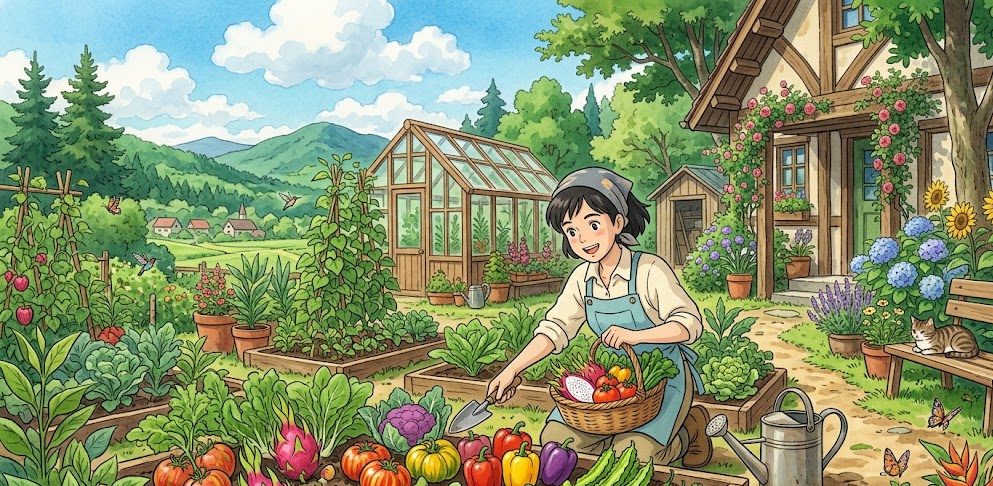
When most people think of starting a profitable business, they immediately picture tech startups, e-commerce stores, or retail shops. They rarely think of their own backyard, balcony, or terrace.
However, urban agriculture is undergoing a massive transformation. With the dramatic rise of health-conscious eating, fitness trends, and international culinary options, the demand for premium, niche produce has reached an all-time high. Consumers, high-end cafes, continental restaurants, and organic grocery chains are willing to pay top dollar for fresh, chemical-free exotic vegetables.
The best part? You don’t need acres of rural farmland to tap into this multi-billion dollar market. With modern techniques like vertical growing, compact greenhouses, and small-scale hydroponics, you can start a high-yield, high-profit exotic vegetable business right from home.
Let’s dive into the step-by-step blueprint for turning a small home space into a thriving commercial micro-farm.
Why Exotic Vegetables Offer Massive Profit Margins
Traditional crops like potatoes, regular onions, or standard tomatoes are volume games. They require massive plots of land, face intense market competition, and suffer from thin profit margins.
Exotic vegetables work on a completely different financial model. They are high-value, niche products. Because their supply is limited and local availability is often scarce, their price per kilogram is significantly higher.
For instance, while regular cabbage might sell for pennies, a kilogram of crisp romaine lettuce, fresh Italian basil, or vibrant cherry tomatoes can command five to ten times that price in premium urban markets. By focusing on quality, freshness, and local delivery, a home-based grower can easily outcompete large commercial farms that ship produce across long distances, losing freshness along the way.
Top Profitable Exotic Vegetables to Grow at Home
Choosing the right crop is the foundation of your business. You want plants that grow relatively quickly, don’t require immense vertical space, and command excellent retail prices.
1. Cherry Tomatoes (Red, Yellow, and Chocolate Varieties)
Unlike standard field tomatoes, cherry tomatoes are incredibly prolific and perfectly suited for container growing or vertical staking. They mature in about 60 to 80 days and continue to produce fruit for months. Gourmet stores and salad bars are always looking for premium, uniform cherry tomatoes.
2. Premium Salad Greens (Romaine, Iceberg, and Butterhead Lettuce)
The explosion of salad culture and health juice bars has created a constant shortage of clean, crisp lettuce. Lettuce has a very short growth cycle (often ready in just 30 to 45 days), allowing you to run multiple production cycles every single year from the exact same footprint.
3. Colored Bell Peppers (Yellow and Red Capsicum)
While green bell peppers are common, yellow and red varieties require slightly more care and controlled conditions to ripen beautifully, making them highly valuable. Growing them in a small home polyhouse protects them from pests and ensures the bright, glossy skin that premium buyers look for.
4. Exotic Italian Basil and Herbs
Culinary herbs are a goldmine for home growers because they require minimal space. Italian basil, rosemary, thyme, and chives grow exceptionally well indoors or on balconies. Chefs and pizza outlets prefer locally sourced, freshly harvested basil because it wilts rapidly when transported long distances.
AllThatGrows
5. Zucchini and Bok Choy
Zucchini (both green and yellow varieties) has a fast crop cycle of about 50 to 60 days and yields heavily. Similarly, Asian greens like Bok Choy are highly sought after by fine-dining restaurants specializing in pan-Asian cuisine.
Setting Up Your Home Growing System
To run a business successfully from home, you must maximize space and control the environment to ensure consistent, year-round quality.
Option A: Small-Scale Hydroponics (Soil-less Farming)
Hydroponics is the ultimate setup for home entrepreneurs. It involves growing plants directly in a nutrient-rich water solution without any soil.
IR Farm
- Space Saving: Using a Vertical A-Frame or a Nutrient Film Technique (NFT) pipe system, you can stack rows of lettuce or herbs vertically, growing four times more plants per square foot than traditional soil farming.
- Water & Growth Efficiency: Hydroponic systems use up to 90% less water because the water is continuously recycled through a closed loop. Plants grow up to 25% faster because their roots don’t have to work to find nutrients.
Option B: Home Greenhouse or Polyhouse
If you have a spacious rooftop, terrace, or backyard, building a small greenhouse using UV-stabilized plastic sheets or shade nets is ideal. A greenhouse protects your high-value exotic crops from heavy rains, scorching midday sun, and destructive flying pests, ensuring your harvest looks flawless and commands premium pricing.
Option C: Intensive Container Gardening
If you are on a strict budget, you can start immediately using high-quality grow bags, fabric pots, or recycled plastic crates filled with an organic potting mix of coco peat, vermicompost, and perlite. This mixture is incredibly lightweight, holds moisture beautifully, and provides excellent aeration for root systems.
The Business Side: Packaging, Branding, and Marketing
Growing beautiful exotic vegetables is only half the battle; selling them profitably is where your business truly begins.
Smart Packaging and Presentation
Premium customers do not want to buy vegetables tossed carelessly into cheap plastic bags. Invest in clean, professional, eco-friendly packaging.
- Use breathable kraft paper boxes or clear, biodegradable clamshell containers for delicate items like cherry tomatoes or microgreens.
- Create a simple, clean brand logo and print it on a sticker. Include the harvest date to emphasize absolute freshness.
Targeting the Right Customers
Skip the traditional wholesale vegetable markets entirely—they will not pay you what your exotic crops are worth. Instead, focus on high-margin avenues:
- Direct-to-Consumer (D2C): Build a simple WhatsApp Business catalog or an Instagram page. Offer weekly “Salad Boxes” or “Exotic Herb Kits” delivered directly to affluent neighborhoods nearby.
- Local Cafes and Boutique Restaurants: Visit local continental, Italian, and Asian restaurants. Bring them a free sample of your freshly harvested basil, lettuce, or cherry tomatoes. Chefs value consistent quality and will gladly pay a premium for a local supplier who delivers within hours of harvesting.
- Gourmet and Organic Retailers: Partner with high-end independent grocery stores that cater to health-conscious consumers.
Financial Breakdown: Investment vs. Profit Potential
| Expense / Revenue Layer | Estimated Startup Setup | Expected Returns & Cycles |
|---|---|---|
| Initial Capital Investment | Low to Moderate (Seeds, grow bags, nutrient kits, or a basic DIY hydroponic pipe setup). | One-time infrastructure setup cost; system components are reusable for years. |
| Crop Turnover Speed | Rapid turnaround (Leafy greens mature in 30–45 days; zucchini and peppers take 50–60 days). | Allows for 6 to 8 harvesting cycles per year for greens, ensuring consistent cash flow. |
| Market Value Margin | High premium retail price per unit compared to standard regional crops. | High net margins due to direct-to-consumer sales and zero heavy shipping costs. |
Frequently Asked Questions (FAQs)
1. Do I need professional agricultural training to start this business?
Not at all. While basic knowledge of plant nutrition, pH levels, and watering schedules is essential, you can easily learn these skills through online tutorials, community forums, or simple home experimentation. Start with easy crops like basil and lettuce to build your confidence before moving on to trickier varieties like colored bell peppers.
AllThatGrows
2. Can I grow exotic vegetables indoors using artificial light?
Yes. If your home lacks natural sunlight, you can set up vertical shelves equipped with full-spectrum LED grow lights. This allows you to turn a spare bedroom, basement, or garage into a fully functional, climate-controlled indoor farm.
3. How do I protect my home crops from pests without using toxic chemicals?
Since you are selling premium, health-focused produce, chemical sprays are out of the question. Instead, use natural prevention strategies: install fine insect netting around your balcony or greenhouse, use yellow sticky traps to catch flying insects, and spray a preventative organic mixture of neem oil and water once a week.
4. What is the minimum space required to start an exotic vegetable business?
You can start a micro-business on a balcony or a small terrace of just 100 to 200 square feet. By utilizing vertical racks or space-efficient grow bags, even a small area can hold hundreds of individual plants.
5. How do I handle unsold perishable inventory?
Because leafy greens and exotic herbs are highly perishable, the best strategy is to grow on an order-based model. Secure your weekly subscription customers or restaurant agreements before planting your seeds. For any surprise surplus, consider dehydrating herbs (like rosemary or thyme) or processing tomatoes into gourmet sauces to completely eliminate waste.
Conclusion
Starting a home-based exotic vegetable business is one of the most fulfilling, sustainable, and high-margin agricultural ventures you can launch today. It perfectly blends the joy of nurturing living things with the strategic excitement of running a modern, direct-to-consumer business.
By utilizing modern space-saving systems like hydroponics or vertical container setups, selecting high-demand crops, and focusing on hyper-local freshness, you can build a highly profitable venture in a remarkably short time. Don’t wait for the perfect plot of land—sow your first seeds on your balcony or windowsill this week, and watch your home business grow from the ground up!