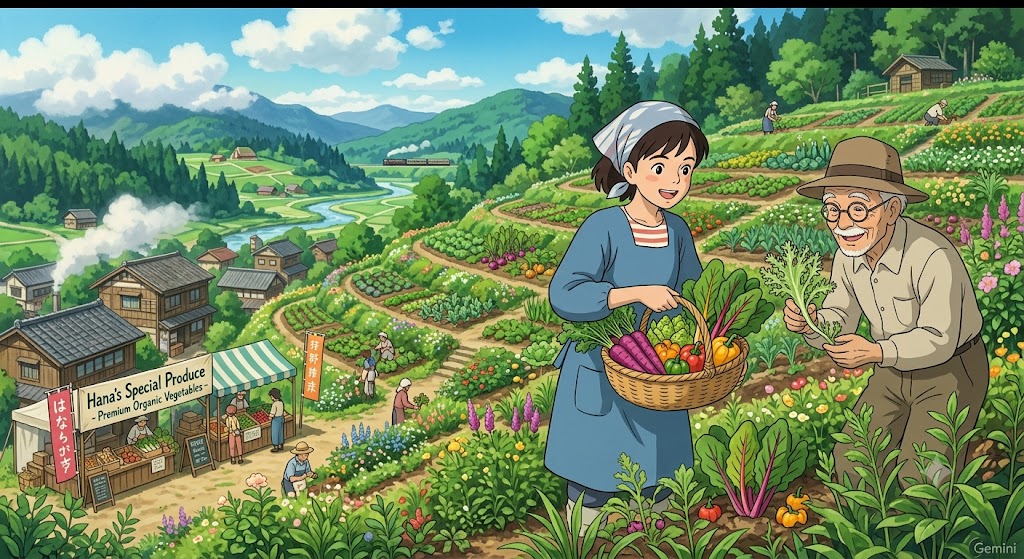
Exotic vegetable farming is becoming an interesting opportunity for small farmers who want to move beyond traditional crops and explore higher-value markets. Vegetables such as colored bell peppers, zucchini, broccoli, lettuce, asparagus, cherry tomatoes, kale, baby carrots, and specialty leafy greens can attract premium prices when they are grown and marketed correctly.
However, growing an exotic vegetable is not automatically profitable. Success depends on choosing the right crop, understanding local growing conditions, controlling production costs, maintaining quality, and finding reliable buyers. With careful planning, even a small farm can build a profitable niche around premium vegetables.
Choose Exotic Crops Based on Market Demand
The first step is not planting—it is researching the market.
Before selecting a crop, farmers should find out which vegetables are actually in demand in their area. Restaurants, hotels, supermarkets, organic stores, food processors, and specialty retailers can provide useful information about what customers are buying.
For example, a farmer located near a large city may find strong demand for lettuce, cherry tomatoes, zucchini, broccoli, or colored peppers. Another location may have better opportunities for specialty herbs or leafy greens.
Starting with one or two crops can also make the operation easier to manage. Farmers can test demand, production costs, and selling prices before expanding.
Use Protected Cultivation for High-Value Vegetables
Protected cultivation can be particularly useful for exotic vegetables because many specialty crops are sensitive to temperature, humidity, pests, and weather changes.
Greenhouses, shade nets, polyhouses, and other protected structures can help create a more controlled growing environment. Depending on the crop, this may improve plant growth, reduce weather-related losses, and allow production during periods when open-field supply is limited.
The goal should not simply be to build an expensive structure. Farmers should select a system that matches the crop and expected market returns. A smaller, well-managed structure can sometimes be more practical than investing heavily before demand has been established.
Consider Hydroponic and Soilless Farming
Hydroponic farming is another method that can work well for selected exotic vegetables and leafy greens.
Instead of growing plants directly in soil, hydroponic systems provide nutrients through water. These systems can be useful where land is limited or soil quality is poor. Crops such as lettuce, herbs, and some specialty greens are commonly suited to controlled soilless production.
The main advantage is greater control over water and nutrient delivery. However, hydroponics requires technical knowledge, equipment, monitoring, and reliable access to electricity and water.
For a small farm, starting with a modest system can be a sensible way to learn before making a larger investment.
Focus on Quality Rather Than Maximum Production
Premium buyers are often more interested in consistency and quality than simply receiving large quantities.
Uniform size, attractive color, freshness, cleanliness, and careful handling can make a significant difference. Vegetables intended for supermarkets or restaurants should be harvested at the appropriate stage and handled gently to reduce bruising and damage.
Farmers should also develop simple grading standards. Separating vegetables according to size and quality can make orders easier to manage and help maintain buyer confidence.
A smaller quantity of high-quality produce can sometimes be more valuable than a larger quantity of inconsistent produce.
Improve Irrigation and Nutrient Management
Water and fertilizer management are critical for profitable vegetable farming.
Drip irrigation can help deliver water directly to the crop’s root zone while reducing unnecessary water loss. Mulching may also help conserve moisture and reduce weed growth.
Nutrient management should be based on the crop’s requirements and, where practical, soil or water testing. Applying excessive fertilizer does not necessarily produce better vegetables and can increase costs.
Keeping records of irrigation, fertilizer applications, crop growth, pest problems, and harvest volumes can help farmers identify which practices are actually producing good results.
Use Integrated Pest Management
Exotic vegetables can sometimes attract pests and diseases that reduce both yield and market quality.
Instead of depending entirely on chemical treatments, farmers can use an integrated pest management approach. Regular crop inspection, sanitation, appropriate spacing, biological controls where suitable, physical barriers, and careful selection of treatments can all contribute to healthier crops.
Early detection is particularly important. A pest problem discovered at the beginning is generally easier to manage than one that has already spread throughout the farm.
Farmers should always follow the legal label directions and applicable food-safety requirements for any agricultural treatment.
Plan Production Around Premium Market Windows
Timing can have a major influence on profitability.
Prices for specialty vegetables may change depending on seasonal supply and demand. If farmers can identify periods when local supply is limited, they may be able to target those market windows.
Protected cultivation can sometimes help extend the production season, while staggered planting can provide more regular harvests instead of producing everything at once.
Rather than planting the entire farm on a single date, farmers can divide production into several planting schedules. This can create a more consistent supply for regular customers and reduce the risk of having too much produce ready at one time.
Build Direct Relationships With Buyers
Finding buyers before harvest is one of the most important parts of premium vegetable farming.
Small farms can approach restaurants, hotels, specialty grocery stores, caterers, farmers’ markets, and local distributors. Direct relationships may allow farmers to understand exactly what buyers want, including preferred varieties, package sizes, delivery schedules, and quality standards.
Some farmers may also create weekly produce boxes or sell directly to consumers through local channels.
The key is to avoid depending on a single buyer. Developing several sales channels can provide greater flexibility if demand changes.
Keep Production Costs Under Control
Premium prices do not guarantee premium profits.
Farmers should calculate the complete cost of production, including seeds, seedlings, fertilizer, irrigation, labor, structures, packaging, transportation, electricity, crop losses, and marketing expenses.
A simple crop profitability record can reveal which vegetables are actually worth growing.
For example, if one crop sells for a high price but requires excessive labor and has a high failure rate, another crop with a slightly lower selling price may generate better overall returns.
Start Small and Expand Gradually
One of the safest approaches for a small farm is to begin with a manageable area.
Farmers can dedicate a small section of land to an exotic crop, record its production performance, test different buyers, and calculate the actual profit after harvest.
If the results are positive, production can gradually increase.
This approach reduces the risk of making a large investment before understanding the crop and market.
Final Thoughts
Exotic vegetable farming can create attractive opportunities for small farms, especially when producers focus on quality, market demand, efficient production, and reliable buyers. Methods such as protected cultivation, drip irrigation, hydroponics, careful nutrient management, integrated pest management, and staggered planting can help improve production efficiency.
The most important lesson is to treat exotic vegetable farming as a business rather than simply a farming experiment. Choosing the right crop, controlling costs, understanding customers, and maintaining consistent quality can make a much bigger difference than chasing the highest possible selling price.
With careful planning and gradual expansion, small farms can develop specialty vegetable businesses that serve premium markets while building a more diversified source of agricultural income.