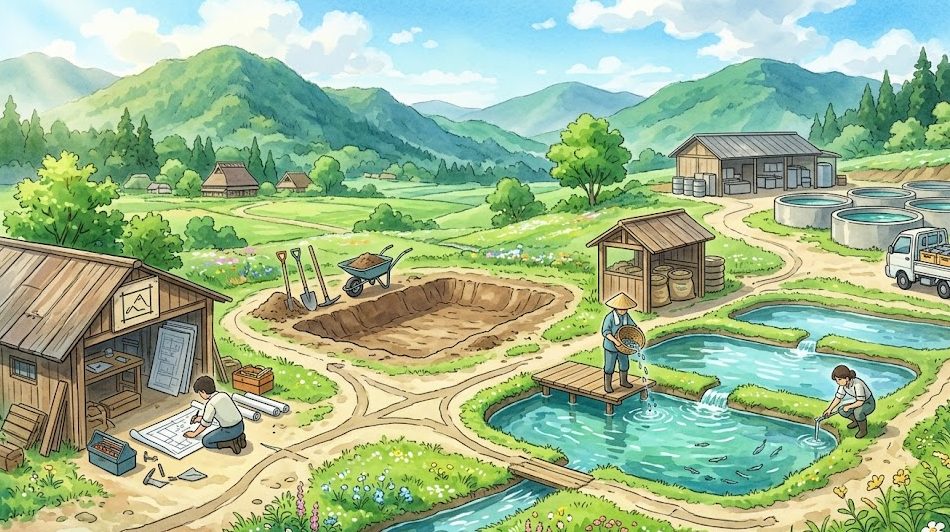
The global demand for high-quality, sustainable protein is skyrocketing. With natural oceans and rivers facing severe overfishing, the world is increasingly turning to aquaculture to bridge the gap. Today, fish farming is no longer just a traditional rural practice; it is a highly lucrative, technology-driven industry that offers incredible returns for those who approach it with a solid strategy.
Whether you have a small plot of land and want to start a high-yield micro-farming setup, or you are looking to invest in a large-scale commercial operation, aquaculture presents a massive opportunity. However, like any agricultural venture, success requires more than just digging a pond and throwing in some fingerlings. It requires precise planning, water management, and market awareness.
If you are ready to dive into the aquaculture industry, this comprehensive, step-by-step guide will walk you through exactly how to start a profitable fish farming business from the ground up.
Why Invest in Fish Farming?
Before digging into the “how,” it is important to understand the “why.” The economics of fish farming are incredibly favorable right now.
First, fish have an excellent Feed Conversion Ratio (FCR). Unlike cattle or pigs, which require massive amounts of feed to produce a single pound of meat, fish are highly efficient at converting feed into body mass. This keeps your ongoing operational costs relatively low.
Second, the integration of smart farming technology into aquaculture has drastically reduced the risks of disease and crop loss. With modern water sensors and automated systems, you can monitor your farm’s health in real-time, ensuring maximum yield and profitability.
Step 1: Crafting a Data-Driven Business Plan
Every successful farm starts on paper. Before you purchase any equipment, you must draft a comprehensive business plan. This document will be your roadmap and is essential if you plan to seek funding from banks or investors.
Your business plan should clearly define your target market. Are you planning to sell directly to local consumers at fresh markets? Are you targeting local restaurants? Or are you aiming for large-scale commercial processors? Your end buyer will dictate the scale of your operation, the species you raise, and your expected profit margins.
Additionally, calculate your initial capital requirements. Factor in the costs for land leasing, pond excavation, water pumps, aeration systems, initial fingerling stock, and at least six months of premium fish feed.
Step 2: Choosing the Right Fish Species
Selecting the right species is arguably the most critical decision you will make. Your choice must be driven by local market demand, your climate, and your chosen farming method. Here are a few of the most profitable options to consider:
The Resilient Staples: Tilapia and Catfish
Tilapia is often called the “aquatic chicken” because it grows rapidly, tolerates a wide range of water conditions, and has massive global demand. Catfish (such as Pangasius) are similarly resilient, offering excellent disease resistance and thriving in high-density farming environments.
High-Demand Regional Favorites: Rohu and Catla
If you are operating in South Asia, Indian Major Carps like Rohu, Catla, and Mrigal are absolute market staples. They are incredibly popular among local consumers and can be farmed together in a polyculture system. Because they feed at different depths of the pond, they maximize the use of available space and natural food sources, boosting your overall yield.
High-Value Niche Species: Trout and Shrimp
If you have access to cold, highly oxygenated running water, Rainbow Trout commands a premium price in high-end culinary markets. Alternatively, freshwater shrimp or prawns offer massive profit margins, though they require a much higher level of technical expertise and strict water quality control.
Step 3: Selecting Your Farming Method
The days of relying solely on traditional mud ponds are over. Today, you have several farming methods to choose from, depending on your land availability and budget.
Traditional Pond Culture
This is the most common and cost-effective method if you have ample land. It involves excavating large earthen ponds. While the setup cost is relatively low, traditional ponds require careful management of natural ecosystems, phytoplankton blooms, and predators.
Biofloc Technology (BFT)
Biofloc is revolutionizing micro-farming in the aquaculture space. This system uses specialized beneficial bacteria to convert fish waste (ammonia) directly back into protein-rich feed. Biofloc allows you to farm fish at incredibly high densities in small concrete or tarpaulin tanks. It requires very little water exchange, making it an environmentally sustainable and highly profitable option for urban or space-limited farmers.
Recirculating Aquaculture Systems (RAS)
RAS is the pinnacle of smart farming. It is a fully indoor, climate-controlled system that continuously filters and recycles water. While the initial capital investment for an RAS facility is high, it allows you to grow fish 365 days a year, entirely independent of outside weather conditions, with virtually zero risk of external predators.
Step 4: Site Selection and Pond Construction
If you are opting for traditional pond farming, site selection is critical. Your land must have soil with high water-retention properties—clay or clay-loam soils are ideal. Sandy soil will simply drain your water away, forcing you to spend a fortune on continuous pumping or expensive artificial pond liners.
Ensure you have a reliable, year-round water source, such as a borewell, river, or spring. Your site should also be safe from seasonal flooding, which can wash away an entire harvest in a single afternoon. Finally, consider logistics. Your farm needs to be accessible by large trucks so you can easily bring in feed and transport your harvested fish to market.
Step 5: Water Quality and Smart Monitoring
In aquaculture, you are not really farming fish; you are farming water. If your water quality is perfect, the fish will largely take care of themselves.
The three most critical metrics to monitor are Dissolved Oxygen (DO), pH levels, and Ammonia.
Traditionally, farmers tested these manually once a day. Today, successful operations use smart IoT (Internet of Things) sensors. These affordable digital probes float in your ponds and send real-time data directly to your smartphone. If the oxygen levels drop dangerously low during the night, the system can automatically trigger your aerators or send you a text alert, preventing a catastrophic loss of your stock.
Step 6: Feed Management and Nutrition
Feed will account for roughly 60% to 70% of your total operating costs, so managing it efficiently is the key to profitability.
Do not cut corners by using cheap, low-quality feed. Invest in high-quality, commercially extruded floating pellets. Floating pellets allow you to visually monitor exactly how much the fish are eating. If feed sinks and rots at the bottom of the pond, you are not just wasting money; you are actively poisoning your water with excess ammonia.
Feed your fish based on their body weight and the water temperature. As the fish grow, you must continuously sample their weight and adjust the feed volume accordingly to maintain an optimal Feed Conversion Ratio.
Step 7: Harvesting and Marketing Strategy
Harvesting should never be an afterthought. Plan your harvest around market demand peaks, such as local festivals or holidays when seafood prices naturally surge.
Before you pull a single net, have your buyers lined up. Fish are highly perishable, and keeping them on ice for too long eats into your profit margins. If you are selling live fish—which often command a 20% to 30% price premium—ensure you have the proper aerated transport tanks ready to go.
Finally, build relationships. Whether you are selling to a local wholesaler or directly to a restaurant chef, consistency and reliability will turn a one-time buyer into a long-term contract.
Conclusion
Starting a fish farming business is a serious commitment that requires capital, daily oversight, and a willingness to learn. However, by moving away from outdated practices and embracing modern techniques like Biofloc, high-quality formulated feeds, and smart water monitoring, you can build a highly resilient operation.
Focus on the fundamentals: write a strong business plan, choose the right species for your local market, and obsess over your water quality. With patience and precision, aquaculture can transform from a simple agricultural pursuit into a highly scalable, profitable business.