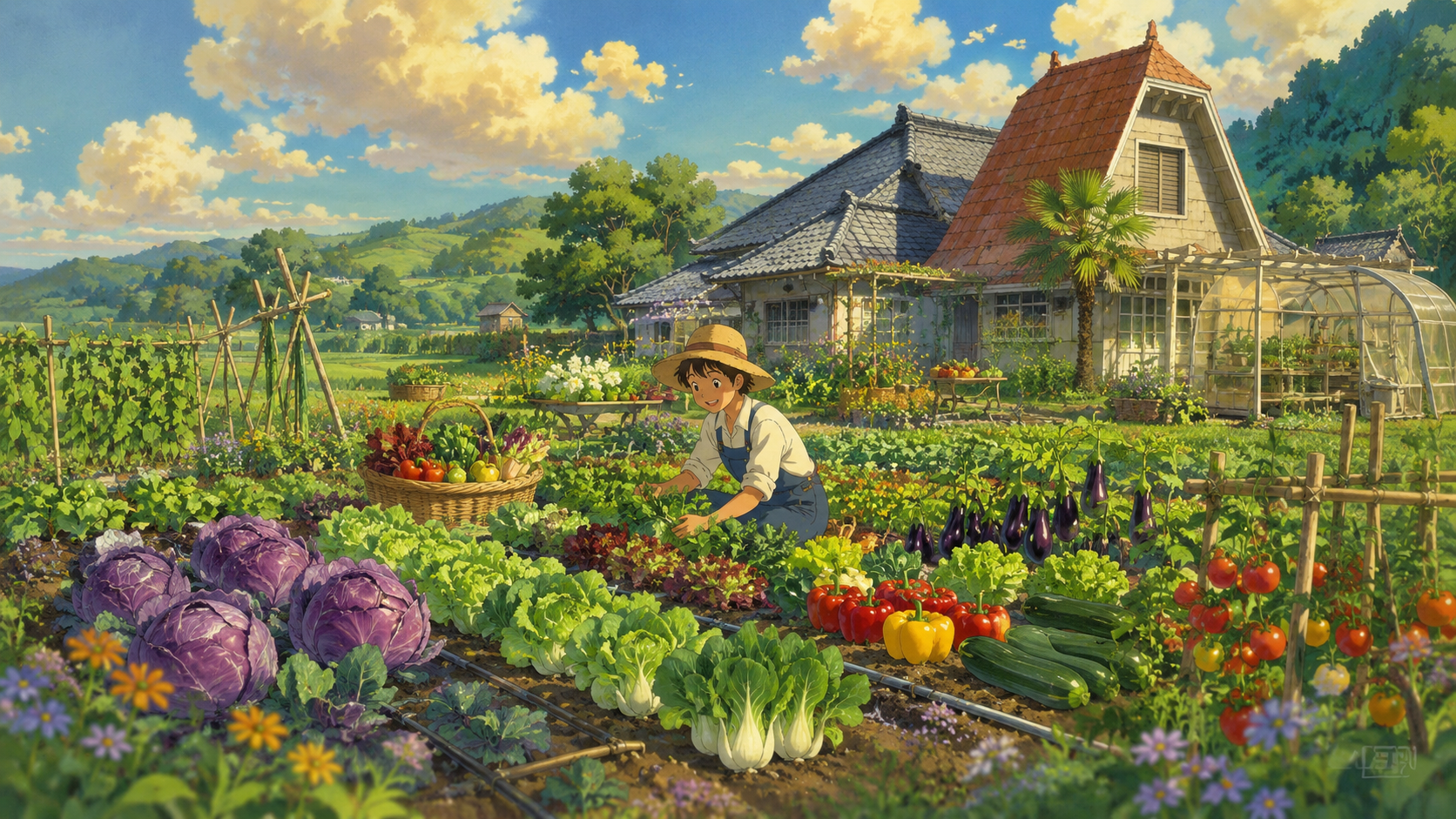
Most growers plant the exact same staple crops year after year. While there is nothing wrong with cultivating traditional grains, potatoes, or onions, the profit margins often leave much to be desired. Wholesale market prices fluctuate wildly, and traditional farming usually requires massive acreage to make a decent living.
If you want to increase your farming income without buying more land, you have to rethink what you plant. Enter the world of exotic vegetable farming.
Today, consumer eating habits are changing rapidly. High-end restaurants, health-conscious shoppers, and modern supermarkets are constantly looking for premium, non-traditional vegetables. Because supply is often lower than demand, these buyers are willing to pay a premium price. Transitioning even a small portion of your land to exotic crops can dramatically improve your farm’s cash flow and long-term growth.
Why Switch to Exotic Vegetables?
The term “exotic” simply refers to vegetables that are not traditionally native to your local growing region but have a high market value. They are not necessarily difficult to grow; they just require a different approach.
The primary benefit of growing exotic vegetables is the profit margin. A single kilogram of colored bell peppers or cherry tomatoes can sell for three to five times the price of standard local vegetables. Additionally, many of these premium crops have shorter harvest cycles. This allows growers to turn over their beds quickly and get multiple harvests within a single growing season, maximizing the revenue per square foot of soil.
Top Exotic Vegetables to Grow for Profit
If you are considering adding premium crops to your farm, here are some of the most profitable options with strong market demand.
Colored Bell Peppers (Capsicum)
Red and yellow bell peppers are incredibly popular in modern cooking, salads, and restaurants. While green peppers are common and cheap, the colored varieties command a much higher price because they require more time on the vine to ripen. They perform exceptionally well in controlled environments like shade nets or polyhouses, which protect them from intense sun and pests.
Cherry Tomatoes
These small, bite-sized tomatoes are a favorite in the culinary world. They are heavily used in salads, roasting, and garnishes. Cherry tomatoes are highly prolific yielders. A healthy plant can produce continuously for months if managed correctly. They do require sturdy trellising and regular pruning, but the high retail price makes the extra labor worthwhile.
Zucchini and Summer Squash
Zucchini, both green and yellow varieties, is a fast-growing crop that is increasingly popular among health enthusiasts as a low-carb alternative to pasta. Zucchini plants are aggressive growers and can produce harvestable fruit in as little as 45 to 50 days from planting. The key is to harvest them when they are small and tender, which is what supermarkets prefer.
Broccoli and Asparagus
Broccoli has transitioned from a rare exotic to a high-demand staple in many urban markets. It requires cooler growing temperatures, making it an excellent winter crop for many regions. Asparagus, on the other hand, is a long-term investment. It is a perennial vegetable, meaning you plant it once and harvest it for 10 to 15 years. The first harvest takes a couple of years, but mature asparagus spears are one of the most expensive vegetables on the market.
Bok Choy and Exotic Greens
Asian greens like Bok Choy, Swiss Chard, and Kale are taking over the health food sector. These leafy greens are incredibly fast-growing. Some varieties can be harvested just 30 days after transplanting. They are ideal for hydroponic setups or intensive raised-bed farming.
Practical Tips for Cultivating Exotic Crops
- Invest in Protected Cultivation: Exotic crops can be sensitive to extreme local weather. Investing in a basic polyhouse or shade net structure protects your high-value plants from heavy rain, scorching heat, and large pest swarms.
- Master Drip Irrigation: Premium vegetables require consistent, even watering. Overhead watering can cause fungal diseases on the leaves. Use drip irrigation lines to deliver water and liquid nutrients directly to the root zone.
- Focus on Cosmetic Quality: When selling exotic vegetables to supermarkets or chefs, appearance matters just as much as taste. Handle the vegetables carefully during harvest to prevent bruising, and grade your produce by size and color before selling.
A Real-Life Example of Exotic Farming Success
Consider the story of a mid-sized traditional farmer who dedicated his entire five acres to standard field cabbage and local tomatoes. He was at the mercy of the local wholesale market, often barely breaking even when prices crashed during peak harvest season.
Looking for a change, he decided to convert just half an acre into a protected shade net structure. He planted red and yellow bell peppers alongside a small section of cherry tomatoes. Instead of taking his harvest to the local open market, he spent a week visiting managers at nearby upscale supermarkets and local high-end hotels.
He secured a direct-supply contract. Because his crops were protected, he could deliver high-quality produce consistently. Within one year, the income generated from that single half-acre of exotic vegetables surpassed the profit from the remaining four and a half acres of traditional crops combined.
Common Mistakes to Avoid
- Growing Without a Buyer: This is the most dangerous mistake. Never plant half an acre of an exotic vegetable without knowing exactly who will buy it. Secure verbal agreements or contracts with restaurants or retailers before you buy the seeds.
- Ignoring Local Climate Realities: Just because a crop is profitable does not mean it will survive your local summer. Always match the crop’s temperature requirements to your local seasons, or be prepared to invest heavily in climate-controlled greenhouses.
- Skipping Soil Preparation: High-yield exotic plants are heavy feeders. Planting them in depleted, compacted soil will lead to stunted growth. Always test your soil and amend it with high-quality organic compost before planting.
- Poor Pest Management: Exotic crops can be highly susceptible to local insects that they have no natural defense against. Relying entirely on chemical sprays can ruin the crop quality. Implement sticky traps, pheromone lures, and beneficial insects early.
Step-by-Step Guide to Starting Your Exotic Farm
If you are ready to start growing premium vegetables, follow these actionable steps to minimize risk.
- Conduct Market Research: Visit your local premium grocery stores and talk to restaurant chefs. Ask them what vegetables they struggle to source locally and what prices they currently pay.
- Start Small and Scale Up: Do not convert your entire farm on day one. Start with a quarter-acre or a single polyhouse. Use this test plot to learn how the crop behaves in your specific soil and climate.
- Source High-Quality Seeds: Exotic crops require premium genetics. Do not buy cheap, unverified seeds. Purchase high-germination, disease-resistant hybrid seeds from reputable commercial agricultural suppliers.
- Establish Your Infrastructure: Set up your drip irrigation, lay down weed-suppressing mulch film, and erect any necessary trellising or shade nets before you bring the seedlings into the field.
- Harvest and Cool Immediately: Exotic vegetables lose their premium appeal if they wilt. Harvest early in the morning when it is cool, and immediately move the produce into a shaded, cool environment to preserve its crispness and shelf life.
Conclusion
Transitioning to exotic vegetable farming is an excellent strategy for growers who want to treat their farm like a modern business. It requires more attention to detail, better infrastructure, and a proactive approach to marketing. However, by shifting away from low-margin bulk commodities and focusing on high-value culinary crops, you can build a highly profitable farming operation on a much smaller footprint. The key is to research your local market, start small, master the growing techniques, and always secure your buyers before you plant the seed.
Frequently Asked Questions
1. Is exotic vegetable farming highly expensive to start? It requires more upfront investment than traditional open-field farming, primarily because you often need shade nets, drip irrigation, and high-quality hybrid seeds. However, because you are growing on a smaller footprint and the crops sell for a premium, the return on investment is usually much faster.
2. Can I grow exotic vegetables without a greenhouse or polyhouse? Yes, but it depends on your local climate. For example, broccoli and zucchini can often be grown in open fields during the correct season. However, delicate crops like colored bell peppers and cherry tomatoes are highly vulnerable to pests and heavy rain, making protected structures highly recommended for commercial success.
3. How do I find buyers for premium vegetables? Skip the traditional wholesale markets where prices are lowest. Approach purchasing managers at upscale supermarkets, organic food stores, and direct-to-consumer delivery startups. You can also take sample boxes directly to the head chefs of high-end local restaurants and offer to supply them with fresher produce than they currently import.
4. What is the easiest exotic crop for a beginner to start with? Zucchini and cherry tomatoes are excellent starting points. Zucchini grows very quickly and is relatively hardy, while cherry tomatoes, though requiring trellising, are highly productive and have a massive, forgiving market demand.
5. Are exotic vegetables grown differently than traditional crops? The core principles of soil health and watering are the same, but exotic crops generally require more precise management. They often need specific nutrient ratios, rigorous pruning schedules, and careful harvesting techniques to ensure they look perfect for the retail market.