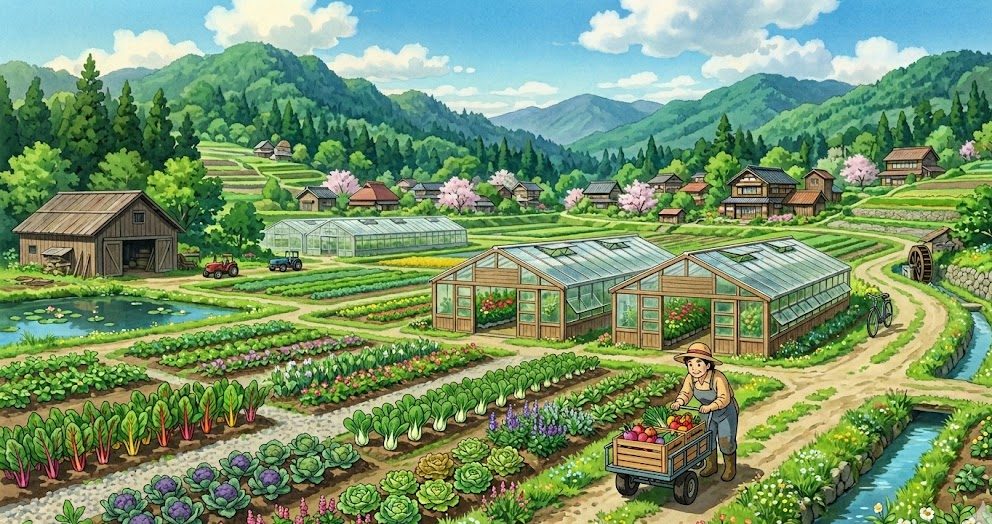
The global culinary landscape is shifting rapidly. Driven by expanding urban populations, rising health awareness, and an increasing appreciation for international cuisines, consumer demand for exotic vegetables has skyrocketed. Gourmet restaurants, premium supermarket chains, and health-conscious households are willing to pay a massive premium for fresh, high-quality, and niche agricultural produce.
For agricultural entrepreneurs and commercial growers, this shift presents a lucrative opportunity. Cultivating high-demand exotic vegetables—such as cherry tomatoes, colored bell peppers, broccoli, iceberg lettuce, asparagus, and pak choi—can yield significantly higher profit margins per square meter compared to traditional field crops. However, unlocking these premium returns requires moving away from conventional farming and mastering precise, commercial-scale production methods.
1. Market Selection: Identifying High-Demand Exotic Crops
Success in commercial exotic vegetable cultivation relies heavily on growing the right crop for the right market. The most profitable commercial varieties generally fall into three primary categories:
- Cruciferous & Brassica Varieties: Broccoli, red cabbage, Brussels sprouts, and Chinese cabbage. These are highly sought after for their rich antioxidant profiles and consistent demand in urban supermarkets.
- Exotic Solanaceous Crops: Colored bell peppers (yellow and red capsicums) and seedless snack cucumbers. These crops command high prices due to their aesthetic appeal and extensive use in premium hospitality sectors.
- Gourmet Leafy Greens & Herbs: Iceberg lettuce, romaine lettuce, pak choi (bok choy), kale, and Italian basil. These are short-cycle crops with incredibly fast turnaround times, making them highly profitable for close-to-market farms.
2. Infrastructure Setup: Open-Field vs. Protected Cultivation
While some exotic vegetables can be grown in open fields during specific seasons, commercial success on a premium scale almost always requires Protected Cultivation. Controlled environments protect delicate crops from unpredictable weather, pests, and diseases, ensuring a consistent year-round supply.
Polyhouses and Greenhouses
Naturally ventilated polyhouses or automated greenhouse systems allow commercial growers to control temperature, humidity, and light intensity. This infrastructure is critical for crops like colored bell peppers and cherry tomatoes, which require specific microclimates to develop deep color, uniform size, and maximum sweetness.
Hydroponics and Vertical Farming
For leafy greens like lettuce, kale, and pak choi, soil-free hydroponic systems—such as Nutrient Film Technique (NFT) or Deep Water Culture (DWC)—are becoming the industry standard. Hydroponics accelerates plant growth by up to 30%, saves 90% more water, and completely eliminates soil-borne diseases, resulting in a perfectly clean, premium-grade harvest.
+-----------------------------------------------------------------------+
|                 COMMERCIAL EXOTIC PRODUCTION PIPELINE                 |
+-----------------------------------------------------------------------+
|                                                                       |
|   [ INFRASTRUCTURE ] ---> Protected Polyhouse / Hydroponic NFT System |
|                                                                       |
|   [ PRECISION INPUT ] ---> Drip Fertigation & Automated EC/pH Control |
|                                                                       |
|   [ COLD CHAIN ]     ---> Immediate Pre-Cooling & Modified Packaging  |
|                             (Preserves premium quality & shelf-life)  |
|                                                                       |
+-----------------------------------------------------------------------+
3. Precision Ag-Management: Nutrient and Water Optimization
Exotic vegetables are highly sensitive to nutritional imbalances. Commercial growers utilize Drip Fertigation systems to deliver water and water-soluble fertilizers directly to the plant’s root zone, minimizing waste and maximizing uptake.
Managing EC and pH Levels
In commercial setups, especially hydroponics, the Electrical Conductivity (EC) and pH of the nutrient solution must be monitored daily:
- pH Range: Maintaining a strict pH range of 5.5 to 6.5 ensures that all micro and macro-nutrients remain chemically available to the roots.
- EC Management: The EC (which measures salt concentration or nutrient density) must be adjusted according to the plant’s growth stage—lower during the seedling stage and higher during flowering and fruiting to maximize yield quality.
Commercial Performance Matrix of Top Exotic Crops
To maximize farm profitability, a commercial grower must analyze crop cycles, yield capacities, and infrastructure compatibility:
| Exotic Vegetable Crop | Ideal Cultivation System | Average Crop Cycle | Premium Quality Indicators | Market Drivers |
|---|---|---|---|---|
| Colored Bell Peppers | Soil/Cocopeat Polyhouse | 8 to 9 Months | Thick walls, uniform color, blocky shape. | Cafes, fine-dining restaurants, retail. |
| Cherry Tomatoes | Vertical Trellising Greenhouse | 6 to 8 Months | High Brix (sweetness), vibrant gloss, intact calyx. | Gourmet salads, healthy snacking segments. |
| Hydroponic Lettuce | NFT Hydroponic System | 35 to 45 Days | Crisp leaves, zero dirt residues, firm heads. | QSR chains, premium urban retail, salad bars. |
| Broccoli | Raised Beds / Drip Open-Field | 75 to 90 Days | Compact dark-green heads, no yellow florets. | Health-conscious fitness and wellness market. |
Export to Sheets
4. Integrated Pest and Disease Management (IPDM)
Premium buyers and export agencies enforce strict regulations regarding chemical pesticide residues. Therefore, commercial exotic cultivation must rely heavily on non-chemical, eco-friendly pest management:
- Insect Netting and Sticky Traps: Greenhouses are sealed with UV-stabilized insect netting. Inside, yellow and blue sticky traps are used to monitor and catch flying pests like whiteflies, thrips, and leaf miners early.
- Biological Controls: Releasing beneficial predatory insects, such as ladybugs to control aphids or predatory mites to manage red spider mites, keeps pest populations below damaging levels without chemical sprays.
- Bio-Fungicides: Utilizing natural microbial solutions like Trichoderma or Pseudomonas fluorescens protects root zones from damping-off and root-rot diseases naturally.
5. Post-Harvest Handling and Cold Chain Logistics
The profit on an exotic vegetable farm is often won or lost after harvest. Exotic crops are highly perishable, and a lack of proper handling can cause rapid spoilage and a complete loss of market value.
Immediate Pre-Cooling
As soon as vegetables are harvested, they retain “field heat,” which accelerates respiration and spoilage. Commercial operations transport harvested produce immediately to a pre-cooling chamber to lower the internal temperature, extending shelf-life by days or weeks.
Grading, Sorting, and Value-Addition
Premium markets demand uniformity. Produce must be graded strictly by size, weight, color, and lack of blemishes. Packaging leafy greens in breathable, modified-atmosphere packaging (MAP) or wrapping bell peppers individually preserves freshness and appearance, allowing growers to command top-tier retail prices.
Conclusion: Securing Profits in the Exotic Vegetable Sector
Commercial cultivation of high-demand exotic vegetables is a high-input, high-reward agribusiness. While it demands advanced infrastructure, technical expertise, and precision management, the returns far outpace conventional field farming. By setting up protected cultivation systems, implementing strict nutrient management, and maintaining an uninterrupted cold chain, agri-entrepreneurs can consistently deliver a premium harvest to tap into today’s booming high-value culinary markets.