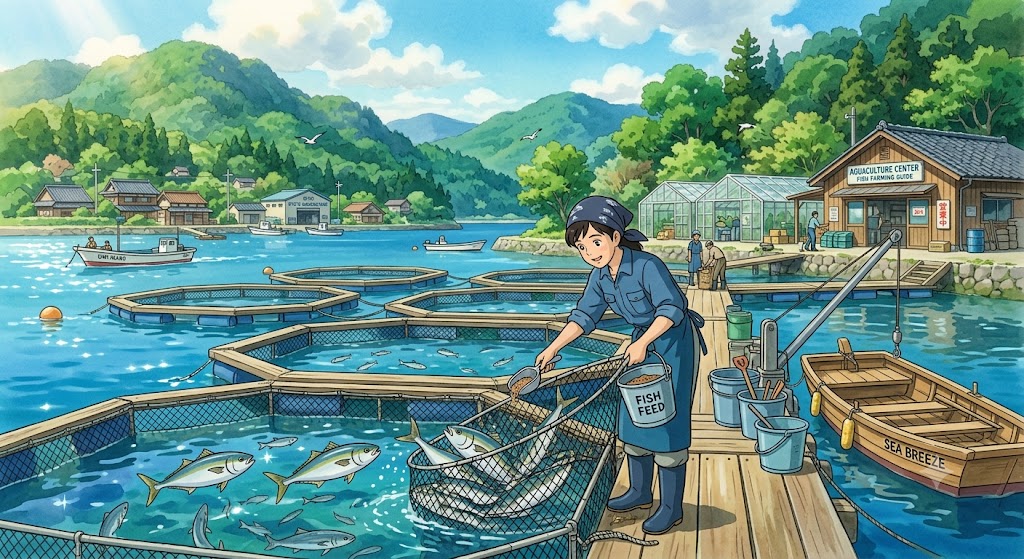
Fish farming, also known as aquaculture, is one of the fastest-growing agricultural industries in the world. As global demand for seafood continues to rise, fish farming has become an attractive business opportunity for farmers, entrepreneurs, and investors looking for profitable and sustainable income sources.
Unlike traditional fishing, which depends on natural water bodies, fish farming allows producers to raise fish in controlled environments such as ponds, tanks, cages, and recirculating systems. With proper planning and management, aquaculture can provide a reliable source of income while helping meet the growing demand for high-quality fish products.
Whether you are starting a small backyard operation or planning a commercial fish farm, understanding the fundamentals of aquaculture is essential for long-term success. This guide covers everything you need to know about starting and managing a successful fish farming business.
What Is Fish Farming?
Fish farming is the practice of breeding, raising, and harvesting fish under controlled conditions for commercial purposes.
Common fish farming systems include:
- Earthen ponds
- Concrete tanks
- Cage culture systems
- Recirculating aquaculture systems (RAS)
- Biofloc systems
Farmed fish are raised until they reach market size and are then sold to wholesalers, retailers, restaurants, or consumers.
Why Fish Farming Is a Profitable Business
Fish farming offers several advantages compared to many other agricultural enterprises.
Benefits of Fish Farming
- Growing global seafood demand
- Efficient feed conversion
- High production potential
- Year-round income opportunities
- Suitable for small and large farms
- Multiple marketing channels
As populations increase and natural fish stocks face pressure, aquaculture continues to play a critical role in food production.
Choosing the Right Fish Species
Selecting the right species is one of the most important decisions when starting a fish farming business.
Popular fish species include:
- Tilapia
- Catfish
- Carp
- Trout
- Salmon
- Pangasius
- Barramundi
- Rohu
- Silver Carp
Factors to Consider
Before choosing a species, evaluate:
- Climate conditions
- Water availability
- Market demand
- Feed costs
- Growth rate
- Disease resistance
Choosing species that are well-suited to local conditions often leads to better results.
Selecting a Suitable Location
Location plays a major role in the success of a fish farming operation.
An ideal site should have:
- Reliable water supply
- Good water quality
- Proper drainage
- Easy road access
- Availability of electricity
- Proximity to markets
Poor site selection can lead to higher operating costs and management challenges.
Understanding Different Fish Farming Systems
Different farming systems offer varying levels of investment and management requirements.
Earthen Pond Farming
Earthen ponds are among the most common and cost-effective fish production systems.
Benefits include:
- Lower construction costs
- Natural food production
- Simple management
Tank Culture
Concrete or plastic tanks allow better control over water quality and stocking density.
Advantages include:
- Easier monitoring
- Better disease management
- Higher production efficiency
Cage Culture
Fish are raised in floating cages placed in lakes, reservoirs, or rivers.
Benefits include:
- Efficient use of natural water bodies
- Lower land requirements
- Good water circulation
Recirculating Aquaculture Systems (RAS)
RAS technology continuously filters and reuses water.
Advantages include:
- High production capacity
- Reduced water use
- Better environmental control
Although highly efficient, RAS systems typically require greater investment.
Water Quality Management
Water quality is one of the most critical factors in fish farming success.
Important parameters include:
- Dissolved oxygen
- Temperature
- pH level
- Ammonia concentration
- Water clarity
Why Water Quality Matters
Poor water conditions can lead to:
- Slow growth
- Disease outbreaks
- Fish mortality
- Reduced profitability
Regular testing helps maintain healthy growing conditions.
Pond Preparation Before Stocking
Proper pond preparation improves fish survival and growth rates.
Preparation steps include:
- Draining old water if necessary.
- Removing unwanted fish and predators.
- Repairing pond structures.
- Applying lime when required.
- Filling ponds with clean water.
Well-prepared ponds create a healthier environment for fish production.
Stocking Fish Fingerlings
Fingerlings are young fish used to start production cycles.
Tips for Successful Stocking
- Purchase from reputable hatcheries.
- Choose healthy fingerlings.
- Acclimate fish to pond conditions.
- Avoid overcrowding.
Proper stocking practices contribute significantly to overall farm performance.
Fish Feeding Management
Feed represents one of the largest operating expenses in aquaculture.
Providing balanced nutrition is essential for:
- Faster growth
- Better health
- Improved feed conversion
- Higher yields
Types of Fish Feed
- Commercial pellets
- Floating feeds
- Sinking feeds
- Supplementary feeds
Feeding schedules should be adjusted according to fish size, species, and environmental conditions.
Disease Prevention and Fish Health
Disease outbreaks can cause major financial losses if not managed properly.
Common Preventive Measures
- Maintain good water quality
- Avoid overcrowding
- Purchase healthy fingerlings
- Remove dead fish promptly
- Follow proper biosecurity practices
Prevention is generally more effective and less expensive than treatment.
Aeration and Oxygen Management
Fish require adequate dissolved oxygen for growth and survival.
Methods of Aeration
- Paddlewheel aerators
- Air pumps
- Water circulation systems
- Splash aerators
Proper aeration becomes especially important in intensive production systems.
Managing Fish Growth
Regular monitoring helps farmers track performance and identify problems early.
Important factors to monitor include:
- Growth rate
- Feed consumption
- Water quality
- Fish behavior
- Health conditions
Accurate records improve decision-making and farm efficiency.
Harvesting Fish
Harvesting occurs when fish reach the desired market size.
Harvesting Methods
- Net harvesting
- Partial harvesting
- Complete pond draining
The harvesting method depends on the farming system and marketing strategy.
Harvesting Tips
- Handle fish carefully
- Harvest during cooler periods
- Maintain product quality
- Minimize stress and injury
Proper harvesting helps maximize product value.
Marketing Your Fish
A successful aquaculture business requires effective marketing.
Potential buyers include:
- Local markets
- Restaurants
- Hotels
- Fish processors
- Retail stores
- Direct consumers
Marketing Strategies
- Focus on product quality
- Build relationships with buyers
- Offer reliable supply
- Explore value-added products
Strong marketing can significantly improve profitability.
Common Challenges in Fish Farming
Although fish farming offers many opportunities, farmers may face challenges such as:
- Disease outbreaks
- Water quality issues
- Feed price fluctuations
- Weather-related risks
- Market competition
Careful planning and proper management help reduce these risks.
Tips for Building a Successful Aquaculture Business
To improve your chances of success:
- Start with a realistic business plan
- Learn proper fish management techniques
- Monitor water quality regularly
- Invest in quality fingerlings and feed
- Maintain accurate records
- Continuously improve production practices
Successful fish farmers focus on both biological performance and business management.
Frequently Asked Questions
1. Which fish species are best for beginners?
Tilapia, catfish, and carp are often recommended because they are hardy, fast-growing, and relatively easy to manage.
2. How much land is needed for fish farming?
The land requirement depends on the farming system. Small-scale pond farms can operate successfully on relatively limited areas.
3. Is fish farming profitable?
Yes. With proper management, fish farming can provide strong returns due to growing seafood demand and efficient production systems.
4. What is the most important factor in fish farming?
Water quality management is one of the most critical factors affecting fish health, growth, and profitability.
5. How long does it take to harvest fish?
The production cycle varies by species, but many farmed fish reach market size within 6 to 12 months.
Conclusion
Fish farming has become one of the most promising agricultural businesses for farmers seeking sustainable and profitable income opportunities. With rising global demand for seafood, aquaculture offers tremendous potential for growth when supported by proper planning, quality management, and effective marketing strategies.
From selecting suitable fish species and maintaining water quality to managing feeding programs and harvesting efficiently, every stage of production contributes to business success. Farmers who focus on continuous learning, good management practices, and market development can build a thriving aquaculture operation that generates reliable income for years to come.
Explore more helpful articles on our website for additional farming guides, aquaculture tips, and sustainable agriculture strategies.