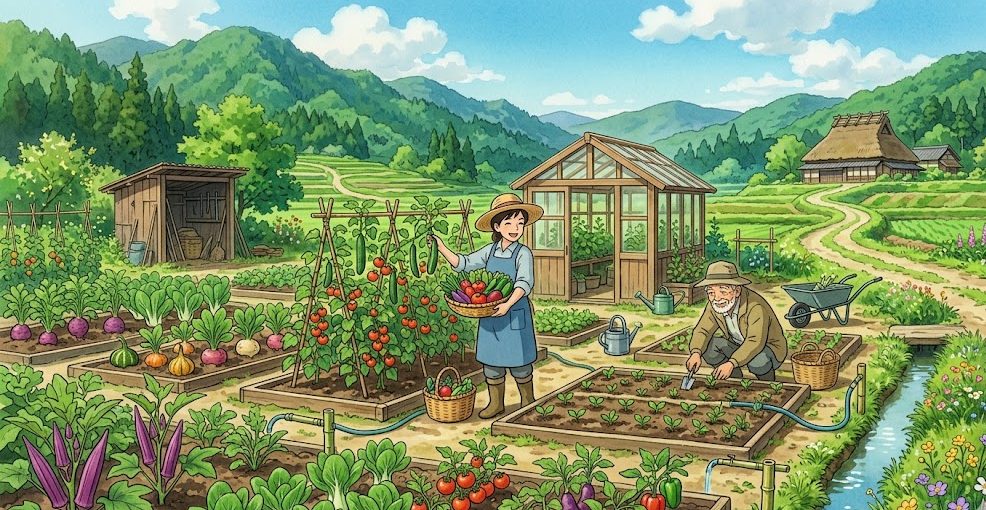
The agricultural landscape is undergoing a massive shift. While traditional crops like wheat, rice, and standard potatoes face razor-thin profit margins and heavy market competition, a new sector is booming: Exotic Vegetable Farming.
Driven by an expanding middle class, growing health awareness, and the rapid rise of fine-dining restaurants and international cuisines, the demand for gourmet, high-value vegetables is skyrocketing. Crops like cherry tomatoes, colored bell peppers, broccoli, zucchini, and pak choi fetch premium prices in urban markets.
Because these crops command high prices per square foot, starting an exotic vegetable farm is one of the most profitable agribusinesses available today. If you have ever wanted to turn a patch of land into a high-Return on Investment (ROI) venture, this step-by-step guide will show you how to build your exotic vegetable business from scratch.
Why Exotic Vegetables Offer Exceptional ROI
Traditional farming relies heavily on volume. To make a substantial profit, you need massive acreage. Exotic vegetable farming, however, relies on value.
By targeting niche markets, boutique grocers, and premium culinary establishments, you can generate up to 5 to 10 times more revenue per square meter than conventional farming. Many of these varieties are well-suited for controlled environments, allowing you to grow year-round and maintain a steady, predictable cash flow.
Step 1: Market Research and Crop Selection
The biggest mistake a beginner can make is planting a crop without knowing exactly who will buy it. Exotic vegetables are perishable, high-value items, meaning your market must be established before the seeds hit the soil.
A. Identify Your Target Buyers
- High-End Restaurants & Cafes: Chefs are constantly looking for hyper-local, fresh microgreens, edible flowers, and specialty herbs.
- Boutique Grocery Stores & Supermarkets: Premium urban supermarkets sell packaged organic exotic vegetables at a significant markup.
- Direct-to-Consumer (D2C): Setting up a subscription-based “Exotic Veggie Box” delivery service directly to health-conscious urban households can maximize your profit margins.
B. Choose the Right High-Value Crops
Start with 2 to 3 manageable, high-demand crops to keep operations simple early on.
- Zucchini & Yellow Squash: Fast-growing, high yield per plant, and highly sought after for continental dishes.
- Cherry Tomatoes: High demand year-round; commands excellent retail prices compared to regular tomatoes.
- Broccoli & Purple Cauliflower: Packed with nutrients and highly favored by health-conscious consumers.
- Bell Peppers (Red and Yellow): Excellent shelf life for an exotic vegetable and a staple in modern urban kitchens.
Step 2: Choose Your Farming System (Open vs. Controlled)
Exotic vegetables are often sensitive to extreme weather, intense heat, and sudden pest pressures. To guarantee a high ROI, you must choose a cultivation method that fits your budget and climate.
| Cultivation Method | Initial Investment | Crop Control & Quality | Ideal Crops |
|---|---|---|---|
| Net Houses / Polyhouses | Moderate | High: Protects from pests, heavy rains, and intense UV rays. | Bell peppers, cherry tomatoes, cucumbers. |
| Hydroponics / Vertical Farming | High | Very High: Soil-less system, complete nutrient control, year-round growth. | Lettuce, pak choi, kale, herbs, microgreens. |
| Open-Field (Shade Nets) | Low | Moderate: Subject to seasonal shifts but lowest startup cost. | Zucchini, broccoli, red cabbage. |
Export to Sheets
For absolute beginners with a moderate budget, starting with a basic naturally ventilated polyhouse or net house offers the best balance of cost, safety, and high-quality yield.
Step 3: Source Premium Inputs and Setup
Skimping on initial setup materials will destroy your ROI. High-value vegetables require precision inputs to reach their grade-A cosmetic and nutritional standard.
- Certified Hybrid Seeds: Buy seeds from reputable international or localized suppliers. Look for high germination rates and built-in disease resistance.
- Drip Irrigation & Fertigation: Install a drip system. Exotic crops hate water logging and overhead watering (which causes fungal diseases). Fertigation systems allow you to deliver liquid nutrients directly into the root zones automatically, cutting down on labor costs.
- High-Quality Growing Media: If using pots or raised beds, invest in a rich mix of organic compost, coco-peat (for moisture retention), and perlite (for aeration).
Step 4: Master the Art of Post-Harvest Handling
With exotic vegetables, aesthetics matter just as much as taste. A premium restaurant will reject a batch of yellow bell peppers if they are bruised, dull, or improperly sized.
- Cooling Systems: Harvest your crops early in the morning before the sun heats them up. Move them immediately into a cold-room or shaded, cool packing area to halt degradation.
- Smart Packaging: Invest in clean, breathable, biodegradable packaging or eco-friendly plastic clamshells. Proper packaging keeps greens crisp, prevents bruising during transport, and allows you to charge a premium retail price.
- Cold Chain Logistics: If your target market is in a nearby city, partner with temperature-controlled delivery vehicles or ensure your delivery times are short and well-insulated.
💡 Pro Strategy for Fast ROI: The “Anchor Crop” Method
When starting out, allocate 70% of your space to a fast-growing, reliable “Anchor Crop” like zucchini or lettuce, which harvests in 30 to 45 days. Use the remaining 30% for high-risk, ultra-high-reward crops like colored bell peppers or cherry tomatoes, which take longer to mature (90+ days). This setup ensures you have consistent cash flow to cover daily operational costs while waiting for your big-ticket harvest.
Step 5: Branding, Pricing, and Scaling
To get the absolute highest return on your investment, stop thinking like a traditional farmer and start thinking like a luxury brand.
- Create a Story: Name your farm, design a clean logo, and emphasize your sustainable, clean, or pesticide-free growing methods. Urban consumers are happy to pay 30% more if they know their food is safe and grown sustainably.
- Bypassing the Middlemen: Traditional wholesale markets will squeeze your margins. Always aim to sell directly to retail chains, premium restaurants, or end consumers to keep 100% of the profit margin inside your business.
- Reinvest for Automation: Once your first few cycles prove profitable, reinvest your earnings into automated climate sensors, automated watering systems, or expanding your greenhouse square footage to achieve economies of scale.
Conclusion: Turning Green into Cash
Starting an exotic vegetable farming business from scratch requires careful planning, market research, and an eye for quality. However, by shifting your focus from low-value bulk crops to high-margin gourmet varieties, you unlock an agribusiness capable of producing incredible financial returns on relatively small parcels of land.
Treat your farm like a tech startup: start lean, perfect your growing process, secure your buyers, and scale up as your expertise grows. With patience, dedication, and smart marketing, your exotic farm will transform into a highly profitable, green enterprise that thrives for years to come.