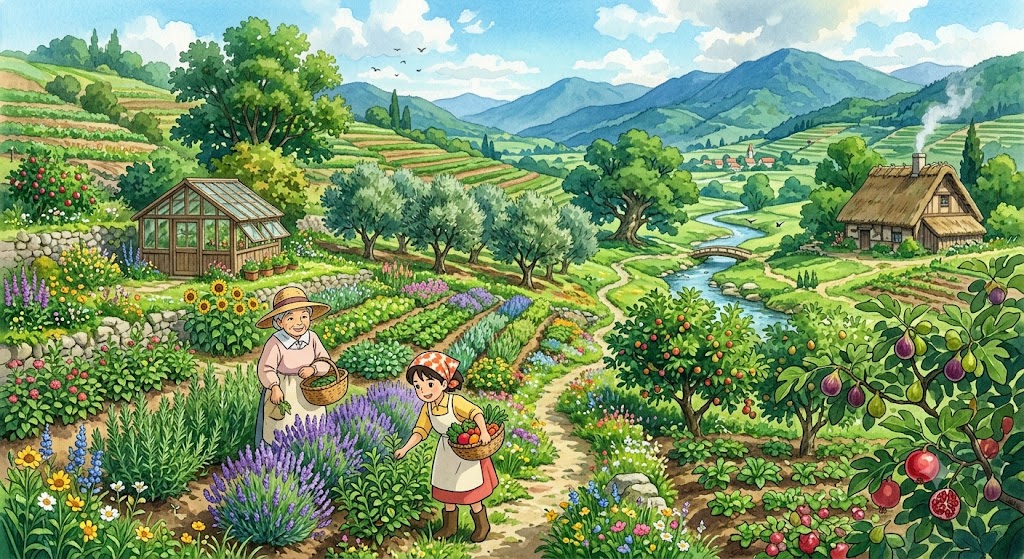
Agriculture is evolving rapidly as farmers search for new ways to improve profitability and reduce dependence on conventional commodity markets. While staple crops such as wheat, rice, corn, and soybeans remain important components of global food production, many producers are discovering that high-value agricultural enterprises can often generate greater returns from smaller areas of land.
Growing consumer demand for specialty foods, health products, sustainable agriculture, and locally produced goods has created numerous opportunities beyond traditional crop production. By exploring alternative farming enterprises, farmers can diversify income streams, improve resource utilization, and build more resilient agricultural businesses.
This guide examines some of the most promising high-value farming opportunities available to modern agricultural entrepreneurs.
Why Farmers Are Exploring Alternative Enterprises
Traditional crops often face challenges such as:
- Price volatility
- High production costs
- Market competition
- Weather-related risks
- Narrow profit margins
Alternative agricultural enterprises can provide:
- Premium pricing
- Niche market opportunities
- Diversified revenue streams
- Higher income per acre
Many high-value farming systems focus on quality, specialization, and direct consumer demand rather than large-scale commodity production.
Diversification often strengthens long-term farm profitability.
Specialty Vegetable Production
Specialty vegetables remain among the most profitable agricultural enterprises for many growers.
Examples include:
- Colored peppers
- Gourmet lettuce varieties
- Specialty tomatoes
- Baby vegetables
- Asian vegetables
- Heirloom crops
Benefits include:
- Strong market demand
- Premium pricing
- Direct marketing opportunities
Consumers increasingly seek unique and high-quality produce that differs from standard supermarket offerings.
Microgreens Farming
Microgreens have become a rapidly growing segment of the fresh produce industry.
Popular varieties include:
- Sunflower
- Radish
- Broccoli
- Pea shoots
- Mustard greens
Advantages include:
- Short production cycles
- Small space requirements
- High market value
- Year-round production potential
Restaurants, health-conscious consumers, and specialty retailers often provide strong markets for microgreens.
Medicinal and Aromatic Plants
The demand for natural health products continues to grow worldwide.
Popular medicinal and aromatic crops include:
- Lavender
- Chamomile
- Lemongrass
- Peppermint
- Echinacea
- Rosemary
Benefits include:
- Value-added opportunities
- Diverse markets
- Processing potential
These crops can be sold fresh, dried, or processed into oils and specialty products.
Mushroom Cultivation
Mushroom farming offers excellent commercial potential with relatively limited land requirements.
Popular varieties include:
- Oyster mushrooms
- Shiitake mushrooms
- Lion’s Mane mushrooms
Advantages include:
- Indoor production capability
- High market prices
- Efficient space utilization
- Year-round harvesting
Growing interest in gourmet and functional foods continues to support mushroom demand.
Hydroponic Crop Production
Hydroponics allows farmers to produce crops without soil using nutrient-rich water systems.
Common hydroponic crops include:
- Lettuce
- Herbs
- Tomatoes
- Strawberries
- Leafy greens
Benefits include:
- Efficient water use
- Faster growth rates
- High productivity
- Controlled growing environments
Hydroponic farming is becoming increasingly popular in urban and resource-limited areas.
Specialty Herb Farming
Fresh culinary herbs remain in high demand among restaurants, retailers, and consumers.
Examples include:
- Basil
- Cilantro
- Parsley
- Mint
- Thyme
- Oregano
Advantages include:
- Multiple harvests
- Premium market prices
- Small land requirements
Herb production often works well in greenhouses, vertical systems, and small-scale farming operations.
Aquaculture and Fish Farming
Fish farming continues to expand as global seafood demand increases.
Popular species include:
- Tilapia
- Catfish
- Trout
- Carp
Benefits include:
- Strong market demand
- Efficient protein production
- Diversification opportunities
Aquaculture can be integrated with other farming systems to improve resource efficiency.
Aquaponics Systems
Aquaponics combines fish production with hydroponic crop cultivation.
Benefits include:
- Dual income streams
- Nutrient recycling
- Water efficiency
- Sustainable production
These integrated systems provide opportunities for diversified and environmentally responsible farming.
Beekeeping and Honey Production
Beekeeping offers both direct and indirect agricultural benefits.
Products may include:
- Honey
- Beeswax
- Pollen
- Propolis
Additional benefits include:
- Pollination services
- Improved crop productivity
- Low land requirements
Beekeeping can complement many existing farming operations.
Cut Flower Farming
Cut flowers are among the highest-value crops produced on a per-acre basis.
Popular flowers include:
- Sunflowers
- Dahlias
- Zinnias
- Snapdragons
- Marigolds
Benefits include:
- Strong seasonal demand
- Direct sales opportunities
- Premium pricing
Flower farming is especially attractive for small and medium-sized farms.
Organic Farming Enterprises
Consumer interest in organic products continues to grow.
Organic production may involve:
- Vegetables
- Fruits
- Herbs
- Livestock products
Benefits include:
- Premium market prices
- Growing consumer demand
- Environmental advantages
Organic certification can create additional marketing opportunities.
Berry Production
Berries are among the most profitable fruit crops for many producers.
Popular options include:
- Strawberries
- Blueberries
- Raspberries
- Blackberries
Advantages include:
- Strong consumer demand
- High retail prices
- Value-added opportunities
Berry production can generate significant returns when managed effectively.
Specialty Fruit Orchards
Alternative fruit crops offer opportunities beyond traditional orchard systems.
Examples include:
- Pomegranates
- Dragon fruit
- Passion fruit
- Figs
- Avocados in suitable regions
Specialty fruits often attract premium markets and niche consumer segments.
Seed Production Businesses
High-quality seed production can be a profitable agricultural enterprise.
Potential markets include:
- Vegetable seeds
- Herb seeds
- Specialty crop seeds
- Organic seeds
Seed production requires expertise but can provide strong value-added opportunities.
Agroforestry Systems
Agroforestry combines trees with agricultural production.
Potential products include:
- Nuts
- Fruits
- Timber
- Medicinal plants
Benefits include:
- Diversified income
- Improved biodiversity
- Long-term sustainability
Agroforestry systems often create multiple revenue streams from the same land area.
Value-Added Agricultural Products
Processing farm products can significantly increase profitability.
Examples include:
- Jams
- Dried fruits
- Herbal teas
- Essential oils
- Specialty food products
Value addition allows farmers to capture more of the final product value.
Processing often improves income potential compared to selling raw commodities.
Agritourism Opportunities
Many farms are expanding into tourism-related activities.
Examples include:
- Farm tours
- Educational programs
- Pick-your-own operations
- Seasonal festivals
Agritourism can provide additional revenue while strengthening customer relationships.
Direct consumer engagement often enhances marketing opportunities.
Factors to Consider Before Diversifying
Before investing in alternative enterprises, farmers should evaluate:
- Market demand
- Production requirements
- Startup costs
- Labor needs
- Regulatory considerations
- Resource availability
Careful planning helps reduce risk and improve long-term success.
Market research remains essential before launching any new venture.
Building a Diversified Agricultural Business
Successful diversification often focuses on:
- Identifying market opportunities
- Matching enterprises to available resources
- Managing risks carefully
- Building strong customer relationships
- Improving operational efficiency
- Creating multiple income streams
Diversified farms are often more resilient and adaptable to changing market conditions.
Conclusion
High-value farming opportunities beyond traditional crops offer exciting possibilities for farmers seeking greater profitability and long-term business growth. From specialty vegetables, herbs, mushrooms, and berries to aquaculture, beekeeping, agroforestry, and value-added products, numerous enterprises can generate strong returns while reducing dependence on conventional commodity markets.
Success in these ventures requires careful planning, market research, and effective management. Farmers who identify suitable opportunities, understand consumer demand, and focus on quality production can build diversified agricultural businesses that remain profitable and resilient in an increasingly competitive agricultural landscape.