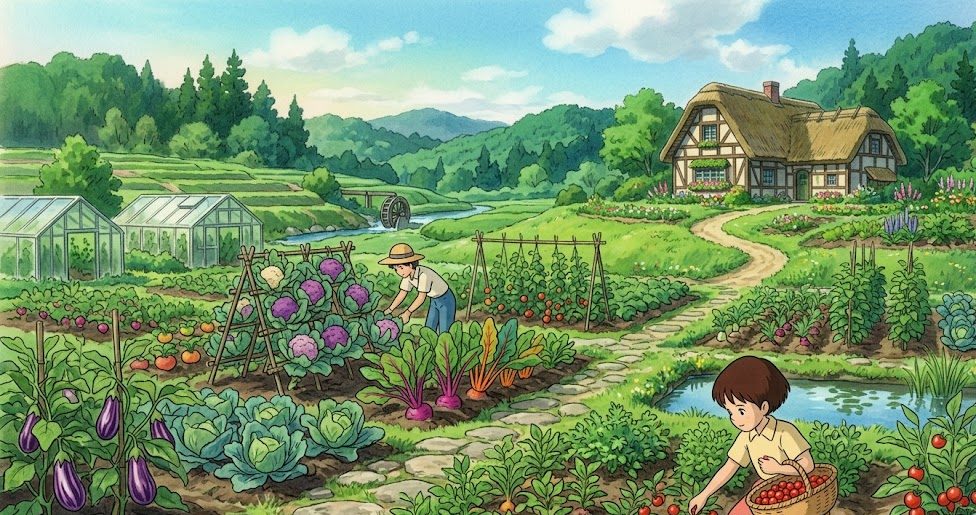
In the world of modern agriculture, the race to produce massive quantities of “staple” crops—like wheat, corn, and potatoes—is often a race to the bottom in terms of pricing. For the small-to-medium-scale farmer or the entrepreneurial gardener, the real money isn’t in volume; it’s in value.
Welcome to the lucrative niche of Exotic Vegetable Cultivation.
As global food cultures blend and health-conscious consumers seek out “superfoods” and unique culinary experiences, the demand for non-native, premium vegetables has skyrocketed. From upscale farm-to-table restaurants to high-end grocery chains, buyers are willing to pay a premium for produce that offers unique flavors, vibrant colors, and superior nutritional profiles.
In this guide, we will explore why exotic vegetables are a goldmine, which varieties offer the best ROI, and the technical strategies required to cultivate them successfully.
Why Exotic Vegetables? The Economic Case
Before we get into the dirt, let’s look at the data. Why should you pivot from traditional crops to exotics?
- Price Insensitivity: Consumers of exotic vegetables are often less sensitive to price. If a chef needs Purple Romanesco for a signature dish or a health-conscious shopper wants Kalettes, they are willing to pay 3x to 5x the price of standard broccoli or kale.
- High Yield in Small Spaces: Many exotic varieties are bred for intensity. You don’t need hundreds of acres; a well-managed greenhouse or a one-acre “market garden” can generate significant revenue.
- Low Competition: While every local farmer is selling tomatoes and cucumbers, very few are offering heirloom Black Galaxy carrots or Japanese Wasabi. This gives you significant bargaining power.
Top-Tier Exotic Vegetables for Maximum Profit
Selecting the right crop is 70% of the battle. Here are some of the most profitable exotic vegetables currently trending in the global market:
1. Romanesco Cauliflower
With its stunning, lime-green fractal patterns, Romanesco is a chef’s dream. It tastes like a cross between broccoli and cauliflower but with a nuttier, creamier texture.
- Profit Potential: High demand in the restaurant industry for food styling.
- Climate: Prefers cool-season growing conditions similar to standard cauliflower.
2. Micro-Vegetables (Microgreens)
These are not just garnishes anymore; they are a staple of high-end nutrition. Vegetables like Radish, Arugula, and Basil harvested at the “true leaf” stage are packed with up to 40 times more nutrients than their mature counterparts.
- Profit Potential: Extremely short harvest cycle (7–14 days). Can be grown vertically indoors year-round.
- Market: Health food stores and fine dining.
3. Specialty Peppers (Habanada, Shishito, and Ghost)
The “heat” market is massive, but the “flavor” market is growing even faster. The Habanada, for example, is a habanero pepper with all the floral aroma but zero heat.
- Profit Potential: High price per pound; easy to dry and process into value-added powders or sauces.
4. Bok Choy and Asian Greens
With the rise of Asian-fusion cuisine, greens like Mizuna, Tatsoi, and Baby Bok Choy have become essential.
- Profit Potential: Fast-growing and often allows for multiple “cut-and-come-again” harvests.
5. Heirloom Purple Sweet Potatoes
Varieties like the Okinawan Sweet Potato are famous for their deep purple flesh and high antioxidant content.
- Profit Potential: Marketed as a “superfood,” they command a much higher price than standard orange yams.
Technical Strategies for Successful Cultivation
Exotic vegetables are often “exotic” because they come from different climates. To grow them successfully, you must replicate their native conditions using modern agricultural techniques.
Soil Health and Custom Substrates
Exotic plants are often more sensitive to soil pH and micronutrient levels than hardy native weeds.
- Testing: Conduct a professional soil test before planting.
- Amendments: Use organic matter like vermicompost and biochar. For exotic root vegetables, ensuring a loose, loamy soil structure is the difference between a stunted crop and a premium harvest.
Controlled Environment Agriculture (CEA)
If you are growing tropical Asian greens in a temperate zone, you need a greenhouse. Smart greenhouses allow you to control:
- Photoperiod: Using LED grow lights to simulate longer days for faster growth.
- Humidity: Essential for tropical exotics like Ginger or Turmeric.
- Temperature: Automated venting and heating systems ensure the plants never hit “stress” points that cause bolting (premature flowering).
Precision Irrigation
Many exotic vegetables, particularly leafy greens and micro-veg, have shallow root systems. They cannot handle “flood and drought” cycles. Implementing Drip Irrigation with automated timers ensures consistent moisture, which is vital for maintaining the crisp texture that premium buyers expect.
Marketing and Selling Your Premium Produce
Growing the crop is only half the job. To realize “high profit margins,” you must master the art of the sale.
1. Build Relationships with Local Chefs
Chefs are your best customers. They want “exclusivity.” If you can provide a consistent supply of a specific exotic herb or vegetable that they can’t get from their big-box distributor, you can set your own price.
2. Branding and Packaging
Exotic vegetables are luxury goods. Treat them as such.
- Use eco-friendly, aesthetic packaging.
- Include “Storytelling” on your labels—mention the origin of the seed, the nutritional benefits, and a quick recipe tip.
3. The “Scarcity” Factor
Do not over-supply the market. By growing small batches of high-variety crops, you maintain a sense of scarcity. This allows you to keep prices stable even during the peak of the growing season.
Overcoming the Challenges
Cultivating exotics isn’t without risk. You must be prepared for:
- Seed Sourcing: Finding high-quality, non-GMO, organic seeds for exotic varieties can be difficult. Build a network of reputable seed banks.
- Pest Vulnerability: Native pests often find exotic plants particularly “tasty” because the plants haven’t evolved local defenses. Use Integrated Pest Management (IPM), such as introducing predatory insects like ladybugs, to keep your crop clean without using harsh chemicals that would devalue “premium” produce.
- Perishability: Many exotic greens wilt faster than standard cabbage. Investing in a Cold Chain (refrigerated transport and storage) is non-negotiable for maintaining quality from farm to table.
Conclusion: The New Agricultural Gold Mine
Cultivating premium exotic vegetables is the perfect intersection of art and science. It requires a deep understanding of botany, a sharp eye for market trends, and a commitment to quality over quantity.
For the modern grower, the shift toward exotics represents a path away from the volatility of commodity markets and toward a sustainable, high-margin business model. By focusing on “superfoods,” “chef-quality” aesthetics, and rare flavors, you aren’t just farming; you are providing a luxury experience that the modern world is hungry for.
Start small, choose one or two varieties that suit your local climate (or greenhouse setup), and begin building your brand as a provider of the extraordinary. In the world of exotic vegetables, the most unique crops reap the greatest rewards.
Ready to start your exotic farm? Which vegetable will you plant first?