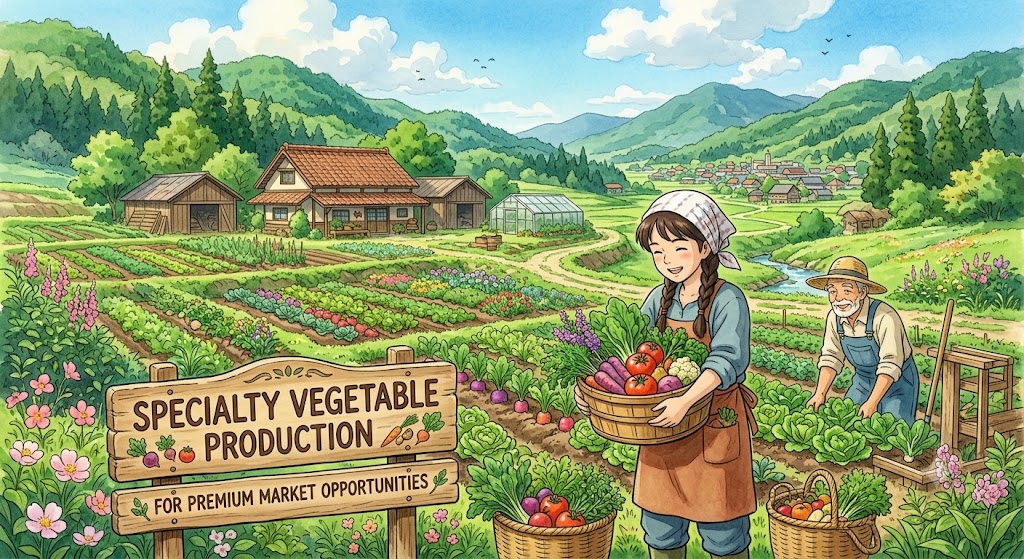
Agricultural markets are constantly evolving as consumers seek healthier, fresher, and more unique food products. This shift in consumer preferences has created growing demand for specialty vegetables, offering farmers valuable opportunities to increase profits beyond traditional crop production. Unlike common commodity vegetables, specialty vegetables often command premium prices due to their unique appearance, flavor, nutritional value, or limited availability.
For modern farmers, specialty vegetable production can provide an effective way to diversify income, access niche markets, and improve overall farm profitability. However, success requires careful planning, market research, quality management, and efficient production practices.
This guide explores how farmers can take advantage of premium market opportunities through successful specialty vegetable production.
What Are Specialty Vegetables?
Specialty vegetables are crops that target specific consumer markets rather than mass commodity production.
These vegetables may include:
- Unique varieties
- Heirloom vegetables
- Ethnic vegetables
- Gourmet vegetables
- Miniature vegetables
- Colored vegetable varieties
- High-nutrient crops
They are often sold to:
- Restaurants
- Hotels
- Farmers markets
- Specialty grocery stores
- Organic retailers
- Health-conscious consumers
Because supply is usually more limited, specialty vegetables often generate higher prices than standard vegetable crops.
Why Specialty Vegetables Are Becoming Popular
Several factors are driving demand for specialty produce.
Changing Consumer Preferences
Modern consumers increasingly seek:
- Fresh local food
- Unique flavors
- Nutrient-rich produce
- Organic products
- Sustainable food options
Growth of Culinary Industries
Restaurants and chefs frequently search for distinctive vegetables that help create unique menu offerings.
Health and Wellness Trends
Consumers are becoming more interested in vegetables with:
- High antioxidant content
- Unique nutritional benefits
- Functional health properties
These trends continue to expand market opportunities for specialty vegetable producers.
Benefits of Growing Specialty Vegetables
Specialty crops offer several potential advantages.
Higher Market Prices
Premium vegetables often command significantly higher prices than conventional produce.
Market Differentiation
Farmers can distinguish themselves from competitors by offering unique products.
Diversified Income Sources
Specialty crops reduce dependence on traditional commodity markets.
Better Use of Small Acreage
Many specialty vegetables generate substantial income even on relatively small production areas.
Direct Marketing Opportunities
Growers can often sell directly to consumers, restaurants, and retailers.
These benefits make specialty vegetable production attractive for both small-scale and commercial farming operations.
Popular Specialty Vegetable Options
Farmers should select crops based on local market demand and growing conditions.
Examples include:
Heirloom Tomatoes
Known for:
- Unique colors
- Exceptional flavor
- Premium pricing
Colored Carrots
Available in:
- Purple
- Yellow
- White
- Red varieties
Specialty Peppers
Examples include:
- Mini sweet peppers
- Exotic chili peppers
- Gourmet pepper varieties
Microgreens
Popular among:
- Restaurants
- Health-conscious consumers
- Specialty food markets
Baby Vegetables
Examples include:
- Baby carrots
- Mini lettuce
- Baby squash
Asian and Ethnic Vegetables
Increasingly popular due to changing consumer demographics.
Examples include:
- Bok choy
- Chinese cabbage
- Bitter melon
- Daikon radish
Selecting crops with proven market demand improves profitability.
Conduct Thorough Market Research
Before planting specialty vegetables, farmers should identify potential buyers.
Research areas include:
- Consumer preferences
- Restaurant demand
- Retail opportunities
- Local competition
- Seasonal pricing trends
Understanding market requirements helps farmers avoid production decisions that may not generate adequate returns.
Successful specialty growers often secure customers before planting.
Choosing the Right Production System
Different specialty vegetables require different growing conditions.
Farmers should evaluate:
- Climate suitability
- Soil quality
- Water availability
- Labor requirements
- Infrastructure needs
Production methods may include:
- Open-field cultivation
- Greenhouse production
- High tunnels
- Raised beds
- Hydroponic systems
Matching crops with appropriate production systems improves quality and productivity.
Focus on Soil Health
Premium vegetables require fertile, well-managed soils.
Healthy soil provides:
- Better nutrient availability
- Strong root development
- Improved water retention
- Enhanced microbial activity
Soil improvement practices include:
- Compost application
- Cover cropping
- Organic matter incorporation
- Crop rotation
Maintaining soil health supports consistent production and superior product quality.
Implement Efficient Irrigation Practices
Water management plays a critical role in vegetable production.
Recommended methods include:
- Drip irrigation
- Soil moisture monitoring
- Mulching
- Proper irrigation scheduling
Efficient irrigation helps:
- Improve crop quality
- Reduce disease risk
- Conserve water
- Increase yields
Consistent moisture levels are particularly important for premium vegetable crops.
Maintain High Quality Standards
Quality is often the most important factor in specialty vegetable markets.
Buyers typically expect:
- Uniform appearance
- Freshness
- Clean produce
- Excellent flavor
- Proper sizing
Farmers should implement strict quality control measures throughout production and harvesting.
High-quality products help build customer loyalty and support premium pricing.
Integrated Pest and Disease Management
Specialty vegetables often require careful pest and disease management.
Effective strategies include:
- Crop rotation
- Beneficial insects
- Regular monitoring
- Field sanitation
- Biological controls
Integrated Pest Management (IPM) helps maintain crop quality while reducing excessive chemical use.
Healthy crops are essential for premium market success.
Explore Direct Marketing Opportunities
Direct marketing often provides the highest profit margins.
Popular channels include:
Farmers Markets
Allow direct interaction with customers.
Community Supported Agriculture (CSA)
Provides recurring revenue through subscription programs.
Restaurant Sales
Chefs frequently seek specialty produce with unique characteristics.
Specialty Retailers
Health food stores and gourmet markets often carry premium vegetables.
Direct sales can significantly increase profitability compared to wholesale marketing.
Consider Value-Added Products
Some specialty vegetables can generate additional income through processing.
Examples include:
- Packaged salad mixes
- Specialty sauces
- Dried vegetables
- Pickled products
- Fresh-cut vegetable packs
Value-added products may improve profitability and reduce post-harvest losses.
Post-Harvest Handling and Storage
Proper post-harvest management is critical for maintaining quality.
Important practices include:
- Gentle handling
- Rapid cooling
- Proper packaging
- Temperature management
- Timely delivery
Maintaining freshness helps preserve product value and customer satisfaction.
Managing Production Risks
Specialty vegetable production can involve certain risks.
Potential challenges include:
- Market fluctuations
- Crop failures
- Labor shortages
- Weather variability
Farmers can reduce risks by:
- Diversifying crops
- Building strong customer relationships
- Maintaining production records
- Monitoring market trends
Effective planning improves long-term business stability.
Building a Successful Specialty Vegetable Enterprise
Successful growers often focus on:
- Market research
- Crop diversification
- Soil health management
- High product quality
- Efficient irrigation
- Strong customer relationships
- Direct marketing opportunities
Combining these factors helps create profitable and sustainable vegetable production systems.
Conclusion
Specialty vegetable production offers farmers an excellent opportunity to access premium markets, increase profitability, and diversify income sources. As consumer demand for unique, fresh, and high-quality produce continues to grow, specialty vegetables are becoming increasingly valuable within modern agricultural systems.
By selecting the right crops, understanding market demand, maintaining exceptional quality standards, and implementing efficient production practices, farmers can successfully capitalize on premium market opportunities. With proper planning and management, specialty vegetable farming can become a highly rewarding and sustainable agricultural enterprise for both small-scale and commercial producers.