Introduction
As consumer preferences continue to evolve, the demand for fresh, nutritious, and unique vegetables has grown significantly across the world. Restaurants, supermarkets, hotels, health-conscious consumers, and export markets are increasingly seeking vegetables that were once considered uncommon in many regions. This growing demand has made Exotic Vegetable Farming one of the fastest-growing sectors in modern agriculture.
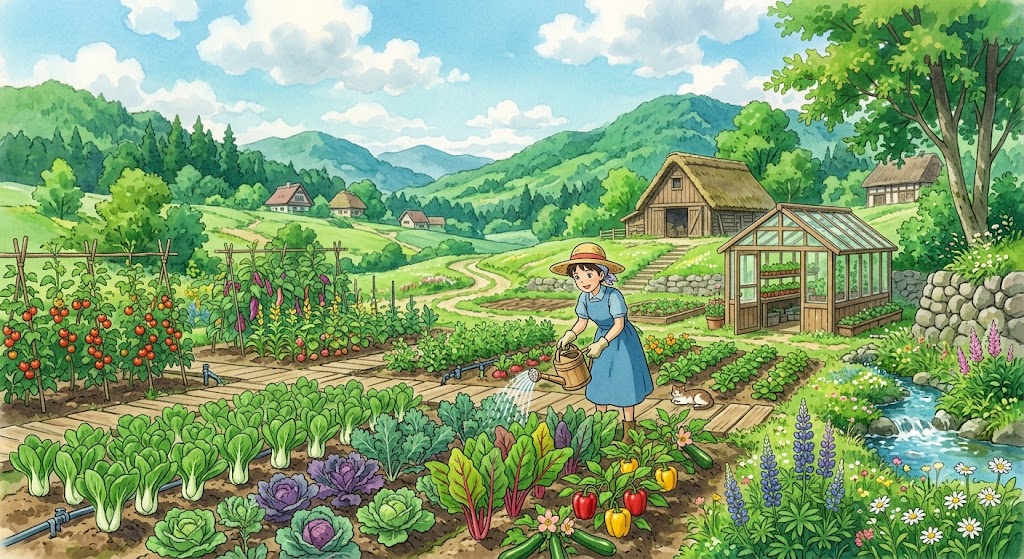
Exotic vegetables are specialty crops that are not traditionally cultivated or widely consumed in a particular region. They often offer unique flavors, attractive appearances, high nutritional value, and premium market prices. Vegetables such as broccoli, lettuce, zucchini, asparagus, kale, cherry tomatoes, red cabbage, colored bell peppers, and Brussels sprouts have become popular choices for farmers looking to diversify their production and increase profitability.
With advances in greenhouse farming, drip irrigation, precision agriculture, and protected cultivation, exotic vegetable farming has become more accessible than ever. Farmers who focus on quality production and effective marketing can benefit from higher returns while meeting the increasing demand for fresh and premium produce.
What Are Exotic Vegetables?
Exotic vegetables are specialty vegetables that are cultivated outside their traditional growing regions or introduced into new markets due to changing consumer preferences. They are often used in international cuisines, fine dining, organic food markets, and healthy meal plans.
Unlike common vegetables, exotic varieties usually require more careful cultivation, better quality management, and efficient post-harvest handling.
Some popular exotic vegetables include:
- Broccoli
- Iceberg lettuce
- Romaine lettuce
- Kale
- Red cabbage
- Purple cabbage
- Zucchini
- Cherry tomatoes
- Colored bell peppers
- Asparagus
- Celery
- Brussels sprouts
- Bok choy
- Baby spinach
- Artichokes
These vegetables are increasingly available in supermarkets, restaurants, and online grocery stores.
Why Exotic Vegetable Farming is Becoming Popular
Consumer lifestyles have changed dramatically over the last decade. More people now prefer healthy diets that include fresh vegetables rich in vitamins, minerals, antioxidants, and fiber.
Several factors have contributed to the popularity of exotic vegetable farming:
Growing Health Awareness
Consumers are choosing nutrient-rich vegetables to support healthier lifestyles.
Expanding Restaurant Industry
Hotels, cafés, and international restaurants require a regular supply of premium vegetables.
Higher Market Prices
Exotic vegetables generally command higher prices than traditional vegetables due to limited supply and strong demand.
Export Potential
Many countries import premium vegetables, creating profitable export opportunities for growers.
Small Land Requirement
Many exotic vegetables generate high returns even on relatively small farms.
Choosing the Right Crop
Selecting the right vegetable is one of the most important decisions for a successful farming business.
Farmers should consider:
- Local climate
- Soil quality
- Water availability
- Market demand
- Transportation facilities
- Storage infrastructure
- Consumer preferences
Growing vegetables that match local conditions reduces production risks while improving crop quality.
Ideal Growing Conditions
Although each vegetable has unique requirements, most exotic vegetables perform well under carefully managed growing conditions.
Soil
Well-drained, fertile soil rich in organic matter supports healthy plant development.
Temperature
Many exotic vegetables prefer moderate temperatures between 15°C and 25°C, although some varieties tolerate warmer conditions.
Sunlight
Most crops require six to eight hours of sunlight each day for healthy growth.
Irrigation
Regular watering is essential, but excessive moisture should be avoided to prevent root diseases.
Nutrient Management
Balanced fertilization ensures vigorous growth, higher yields, and better-quality produce.
Protected Cultivation
Many successful farmers grow exotic vegetables inside protected structures.
Popular options include:
- Polyhouses
- Greenhouses
- Shade nets
- Low tunnels
Protected cultivation offers several advantages:
- Better temperature control
- Reduced pest attacks
- Improved crop quality
- Year-round production
- Higher productivity
Although initial investment may be higher, long-term profitability often justifies the cost.
Modern Technologies in Exotic Vegetable Farming
Technology has greatly improved the efficiency of specialty vegetable production.
Smart Irrigation
Automated irrigation systems supply water according to soil moisture levels, reducing waste and improving crop health.
Artificial Intelligence
AI helps monitor crop growth, detect diseases, and recommend efficient farming practices.
Agricultural Drones
Drones inspect fields, identify problem areas, and monitor overall crop performance.
Precision Agriculture
GPS-guided farming allows accurate fertilizer application, irrigation planning, and field management.
Climate Monitoring Systems
Digital weather stations help farmers respond quickly to changing environmental conditions.
Pest and Disease Management
Healthy vegetables require regular monitoring throughout the growing season.
Common preventive practices include:
- Crop rotation
- Certified disease-free seedlings
- Proper plant spacing
- Field sanitation
- Biological pest control
- Sticky insect traps
- Regular crop inspections
Integrated Pest Management (IPM) reduces chemical dependence while maintaining healthy crops.
Harvesting and Post-Harvest Management
Exotic vegetables are highly perishable and require careful handling after harvest.
Important post-harvest practices include:
- Harvesting at proper maturity
- Gentle handling to avoid damage
- Cleaning and grading
- Attractive packaging
- Refrigerated storage when necessary
- Fast transportation to markets
Maintaining freshness improves customer satisfaction and increases selling prices.
Marketing Opportunities
Farmers can sell exotic vegetables through multiple marketing channels.
Popular options include:
- Local supermarkets
- Hotels and restaurants
- Wholesale vegetable markets
- Organic food stores
- Farmers’ markets
- Online grocery platforms
- Direct farm sales
- Export companies
Building relationships with reliable buyers helps ensure consistent income.
Benefits of Exotic Vegetable Farming
Growing specialty vegetables offers numerous advantages.
Higher Income
Premium vegetables generally provide better returns than traditional crops.
Diversified Farming
Growing multiple vegetables reduces financial risk.
Strong Consumer Demand
Healthy eating trends continue driving demand for specialty produce.
Export Possibilities
International markets offer additional opportunities for quality growers.
Efficient Land Use
Small farms can generate substantial income through intensive cultivation.
Employment Generation
Specialty vegetable farming creates jobs in production, packaging, transportation, and marketing.
Challenges Farmers Should Consider
Although profitable, exotic vegetable farming also presents certain challenges.
- Higher production costs
- Specialized crop management
- Sensitive post-harvest handling
- Limited shelf life
- Market price fluctuations
- Pest and disease pressure
- Skilled labor requirements
Proper planning and continuous learning help farmers overcome these challenges.
Tips for Successful Exotic Vegetable Farming
Farmers can improve success by following these practical recommendations:
- Study market demand before selecting crops.
- Use certified seeds or healthy seedlings.
- Conduct soil testing before planting.
- Install drip irrigation for efficient water management.
- Apply organic compost to improve soil fertility.
- Monitor crops regularly for pests and diseases.
- Harvest vegetables at the correct stage.
- Invest in proper packaging and cold storage when possible.
- Build long-term relationships with buyers.
- Stay informed about new farming technologies and market trends.
Future of Exotic Vegetable Farming
The future of exotic vegetable farming is highly promising. Rising health awareness, changing dietary habits, urbanization, and increasing demand for fresh premium produce are expected to drive continued market growth.
Technologies such as Artificial Intelligence, hydroponics, vertical farming, climate-controlled greenhouses, precision agriculture, and automated harvesting systems will make specialty vegetable production more efficient and sustainable.
As global food markets continue expanding, farmers who focus on quality, innovation, and sustainable farming practices will be well-positioned to succeed in this rapidly growing agricultural sector.
Conclusion
Exotic vegetable farming has emerged as an attractive opportunity for farmers seeking higher profits and diversified agricultural production. With increasing consumer demand, expanding export markets, and advancements in farming technology, specialty vegetables have become an important part of modern agriculture.
Success in this field requires careful crop selection, proper cultivation practices, efficient irrigation, pest management, quality post-harvest handling, and effective marketing. Farmers who adopt modern technologies and maintain high production standards can achieve excellent returns while contributing to healthier food choices and sustainable agricultural development.
As agriculture continues to evolve, exotic vegetable farming will remain a valuable and profitable sector, offering exciting opportunities for both small-scale and commercial farmers in the years ahead.