Introduction
Fish farming has become one of the fastest-growing sectors in modern agriculture and aquaculture. As the global demand for seafood continues to rise, natural fisheries alone are no longer able to meet consumer needs. This has increased the importance of fish farming, also known as aquaculture, which provides a reliable and sustainable method of producing fish for food and commercial purposes.
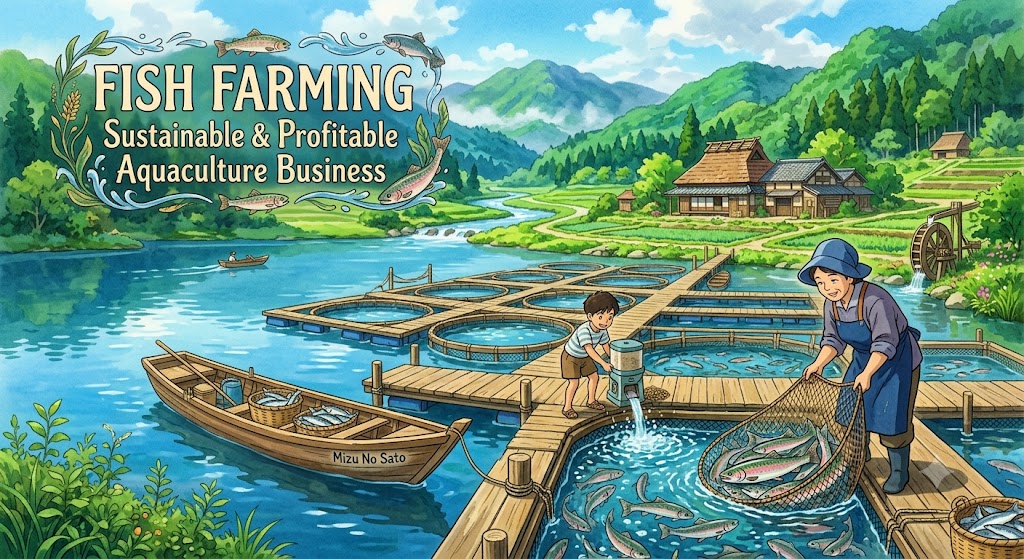
Fish farming involves raising fish in controlled environments such as ponds, tanks, cages, or recirculating water systems. Farmers manage water quality, nutrition, breeding, and disease prevention to ensure healthy fish growth and high production. Compared to traditional fishing, aquaculture offers greater control over production while helping protect wild fish populations from overfishing.
Today, fish farming contributes significantly to food security, employment, rural development, and economic growth. With advancements in technology, sustainable farming practices, and efficient water management, aquaculture has become an attractive business opportunity for both small-scale and commercial farmers.
What is Fish Farming?
Fish farming is the practice of breeding, raising, and harvesting fish under controlled conditions for commercial or household use. Farmers provide suitable environments where fish can grow safely while receiving proper nutrition and healthcare.
Fish are raised in various systems, including:
- Earthen ponds
- Concrete tanks
- Floating cages
- Recirculating Aquaculture Systems (RAS)
- Biofloc systems
- Reservoirs
- Indoor aquaculture units
Each farming system is selected based on available land, water resources, climate, and production goals.
Importance of Fish Farming
Fish farming plays an important role in meeting the growing demand for high-quality protein while reducing pressure on natural water bodies.
Major benefits include:
- Increases seafood production
- Supports food security
- Creates employment opportunities
- Generates additional farm income
- Reduces dependence on wild fisheries
- Encourages rural development
- Promotes sustainable food production
Fish farming also provides valuable opportunities for integrated farming systems where fish culture is combined with agriculture or livestock production.
Popular Fish Species for Farming
Farmers choose fish species based on local climate, water quality, and market demand.
Some commonly farmed species include:
Freshwater Fish
- Tilapia
- Catfish
- Common Carp
- Grass Carp
- Silver Carp
- Rohu
- Catla
- Mrigal
Marine Fish
- Sea Bass
- Grouper
- Snapper
- Milkfish
- Cobia
High-Value Fish
- Rainbow Trout
- Salmon
- Barramundi
- Pangasius
Selecting healthy fingerlings and suitable species is essential for successful fish production.
Types of Fish Farming Systems
Pond Farming
Pond farming is the most common method of fish production.
Advantages include:
- Lower operating costs
- Natural food availability
- Easy management
- Suitable for small and large farms
Proper pond preparation and water quality management are essential for success.
Cage Farming
Floating cages are installed in lakes, rivers, or reservoirs.
Benefits include:
- Efficient water exchange
- High stocking density
- Better water circulation
- Increased production
This method is popular where natural water bodies are available.
Biofloc Fish Farming
Biofloc technology uses beneficial microorganisms to convert fish waste into natural food.
Benefits include:
- Lower water usage
- Reduced feed costs
- Faster fish growth
- Improved water quality
Biofloc farming has become increasingly popular because of its efficiency and sustainability.
Recirculating Aquaculture System (RAS)
RAS continuously filters and recycles water inside closed tanks.
Advantages include:
- Minimal water consumption
- Excellent disease control
- Year-round production
- Higher stocking density
- Better environmental management
Although the initial investment is higher, RAS provides excellent long-term productivity.
Essential Requirements for Fish Farming
Successful fish farming depends on several important factors.
Water Quality
Clean water with proper oxygen levels, pH balance, and temperature supports healthy fish growth.
Quality Fingerlings
Healthy, disease-free fingerlings improve survival rates and overall production.
Balanced Nutrition
Fish require high-quality feed containing proteins, vitamins, minerals, and essential nutrients.
Pond Management
Regular cleaning and monitoring prevent disease outbreaks and maintain healthy water conditions.
Disease Prevention
Routine inspections help detect health problems before they spread throughout the farm.
Modern Technologies in Fish Farming
Technology has transformed aquaculture into a more efficient and productive industry.
Artificial Intelligence (AI)
AI analyzes fish behavior, feeding patterns, and water conditions to improve farm management.
Internet of Things (IoT)
Smart sensors monitor:
- Water temperature
- Dissolved oxygen
- pH levels
- Ammonia concentration
- Water quality
Farmers receive instant alerts when conditions change.
Automatic Feeders
Automated feeding systems provide fish with the correct amount of feed at scheduled times, reducing waste and improving growth.
Drone Monitoring
Drones inspect large fish ponds and monitor infrastructure more efficiently.
Water Quality Monitoring Systems
Digital monitoring equipment helps maintain ideal environmental conditions throughout the production cycle.
Benefits of Fish Farming
High Market Demand
Fish remains one of the world’s most consumed sources of protein.
Faster Growth
Many commercial fish species reach market size within a relatively short period.
Efficient Feed Conversion
Fish convert feed into body weight more efficiently than many livestock species.
Multiple Income Sources
Farmers can sell fish, fingerlings, and processed seafood products.
Sustainable Food Production
Responsible aquaculture helps reduce pressure on wild fish populations.
Employment Generation
Fish farming supports jobs in hatcheries, feed production, processing, transportation, and marketing.
Challenges in Fish Farming
Although profitable, fish farming presents several challenges.
Disease Outbreaks
Poor water quality can increase disease risks.
Feed Costs
Fish feed often represents the largest operating expense.
Water Management
Maintaining suitable water quality requires regular monitoring.
Climate Change
Extreme temperatures and changing rainfall patterns may affect fish production.
Market Price Fluctuations
Fish prices may vary depending on supply and consumer demand.
Sustainable Fish Farming Practices
Modern aquaculture emphasizes environmental responsibility.
Recommended practices include:
- Efficient water use
- Proper waste management
- Responsible feed utilization
- Disease prevention through biosecurity
- Avoiding excessive chemical use
- Protecting nearby ecosystems
- Maintaining appropriate stocking densities
These practices improve long-term productivity while reducing environmental impact.
Tips for Successful Fish Farming
Farmers can improve production by following these practical recommendations:
- Choose fish species suitable for local conditions.
- Purchase healthy fingerlings from certified hatcheries.
- Test water quality regularly.
- Provide balanced nutrition.
- Avoid overcrowding ponds or tanks.
- Monitor fish health every day.
- Clean ponds and equipment regularly.
- Maintain proper biosecurity measures.
- Keep detailed production records.
- Stay updated with modern aquaculture technologies and best management practices.
Future of Fish Farming
The future of aquaculture looks highly promising as demand for seafood continues to increase worldwide. Technologies such as Artificial Intelligence, smart sensors, automated feeding systems, robotic monitoring, Biofloc technology, and Recirculating Aquaculture Systems are making fish farming more efficient and environmentally friendly.
Governments and research institutions are also investing in sustainable aquaculture practices, improved breeding programs, disease-resistant fish varieties, and renewable energy solutions. These innovations will help fish farmers produce more seafood while conserving water, protecting ecosystems, and ensuring long-term food security.
Conclusion
Fish farming has become an essential part of modern agriculture and global food production. By raising fish in controlled environments, farmers can produce high-quality seafood efficiently while reducing pressure on natural fisheries. Whether through pond culture, cage farming, Biofloc systems, or advanced Recirculating Aquaculture Systems, aquaculture offers excellent opportunities for sustainable income and business growth.
With proper planning, quality management, balanced nutrition, and modern technology, fish farming can be both profitable and environmentally responsible. As the world’s population grows and the demand for healthy protein continues to rise, sustainable fish farming will play a crucial role in supporting food security, economic development, and the future of agriculture.